
Skip to content
Aero Interactive

Agent-readiness audit

Find out what AI can safely build for your team

An agent-readiness audit shows how ready your design system is for AI agents to build from.

  • Two weeks, fixed scope
  • Your code stays in your environment
  • You keep the report and roadmap

Free one-pager

Get the audit on one page

Who it is for, what you get and how the two weeks are scoped. We email it to you. You can also download it straight away.

Rather talk it through? Book a 15-minute fit call (opens in a new tab)

Teams we have worked with

  • Oliver Wyman logo
  • Compass Group Australia logo
  • George Street Photo & Video logo
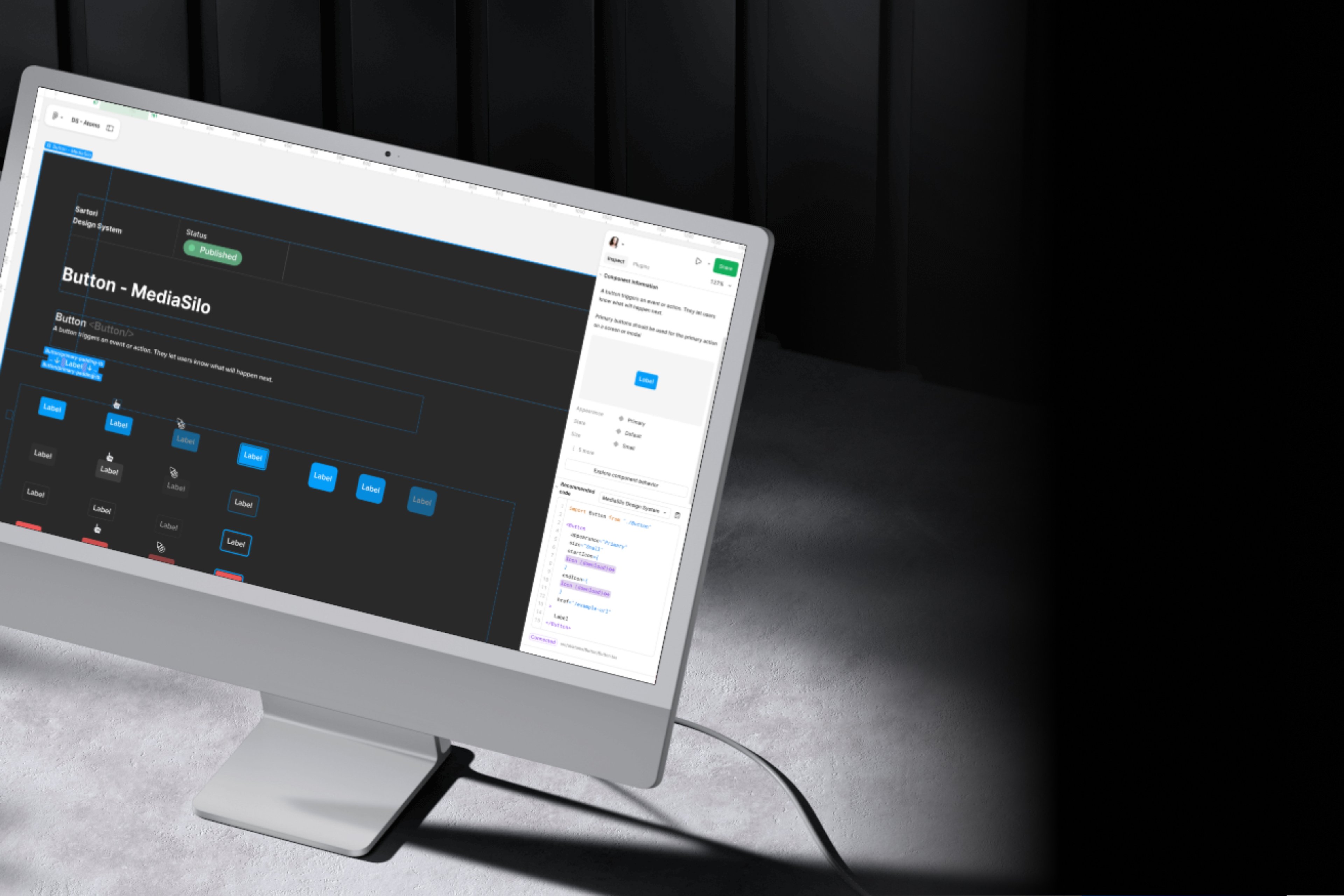
  • MediaSilo logo
  • Hyde Park logo
  • Underwrite.ai logo
  • Fertilitywise logo
  • Iron Deep logo
  • Stanley Security logo

The problem

What it costs when nobody owns the system

Your team brought in AI to move faster. The work it produces often looks right in review and then needs rework after it ships. Screens drift off brand. Features drift away from the strategy you set. Releases slow down while people correct what the agents built.

That cleanup usually lands on your most senior people. It comes out of the time they would otherwise spend on strategy.

Why it keeps happening

The cause usually sits in the system your agents build from. They read what is written down and guess the rest. When no one owns that system, the same gaps produce the same fixes on every release.

What you get

What the audit gives you

The audit shows how ready your system is for AI agents to build from. It points to the gaps behind the rework you are already paying for. It then tells you which fixes pay back first.

  1. 01

    A scored report on how ready your design system is for AI agents to build from

  2. 02

    A prioritized roadmap, with each step tied to a metric your team already tracks

  3. 03

    A clear view of which fixes pay back first

A sample of the report, redacted

How it runs

Two weeks, fixed scope

The audit takes two weeks and the scope is fixed. It runs in your environment, so your code never leaves it. Your leadership gets the report and the roadmap in a 30-minute walkthrough. You keep both whether or not you continue with Aero.

Who it is for

Teams building with AI and no one owning the system

SaaS and business-automation teams already using AI agents or AI coding tools to build UI and code. There is no design systems team, and nobody whose job is keeping the system those tools build from in order.

Get the one-pager

Proof

Design systems we have built

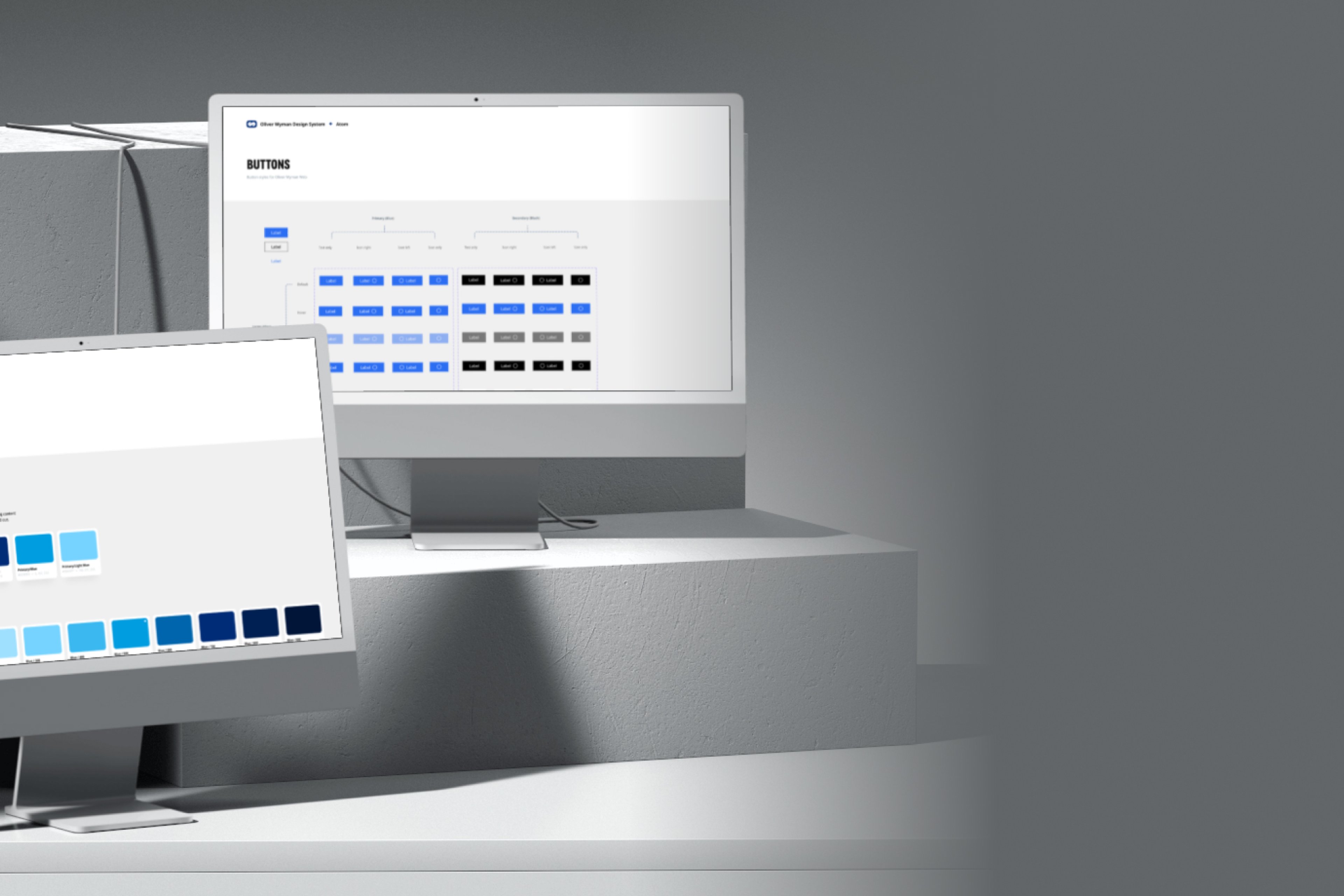
  • Paradigm Life Design System
  • Orion Photo Group Design System
  • EditShare Design System

FAQ

Common questions

What is a design system agent-readiness audit?

It is a two-week review of whether AI agents and AI coding tools can build correctly from your design system. You get a scored report on how ready the system is, a prioritized roadmap tied to metrics your team already tracks, and a clear view of which fixes pay back first.

How long does the agent-readiness audit take?

Two weeks, at a fixed scope. It ends with a 30-minute walkthrough in which your leadership gets the report and the roadmap.

Does our code leave our environment during the audit?

No. The audit runs in your environment. Your repository is never uploaded to a hosted service. That matters for teams with security review or client confidentiality obligations.

Do we need a design systems team to use the audit?

No. The audit is aimed at teams with no one whose job is the design system. The roadmap says what to fix first and why it matters, so the work can be planned alongside everything else your team ships.

What happens after the audit?

You keep the report and the roadmap whether or not you continue with Aero. Teams that continue can have Aero fix the highest-risk parts of the system inside their own repository. Aero can then help keep the system in order as people and agents keep adding to it.

See whether the audit fits your team

A short call tells you whether the audit is worth running now.

  • Two weeks, fixed scope
  • Your code stays in your environment
  • You keep the report and roadmap

Field Notes

Further reading