Who is this for?
Product, design and engineering leaders whose teams now build with AI tools such as Cursor, Claude or Figma MCP, and whose design system was written for people only.
Why do AI agents drift off a design system?
Your design system was built for people. AI agents now read and build from it too, and they bring none of your team's context. They read what is written down and guess the rest, so screens drift off brand and the same fixes come back on every release. For the longer answer, read what is an agent-ready design system.
What makes a design system agent-ready?
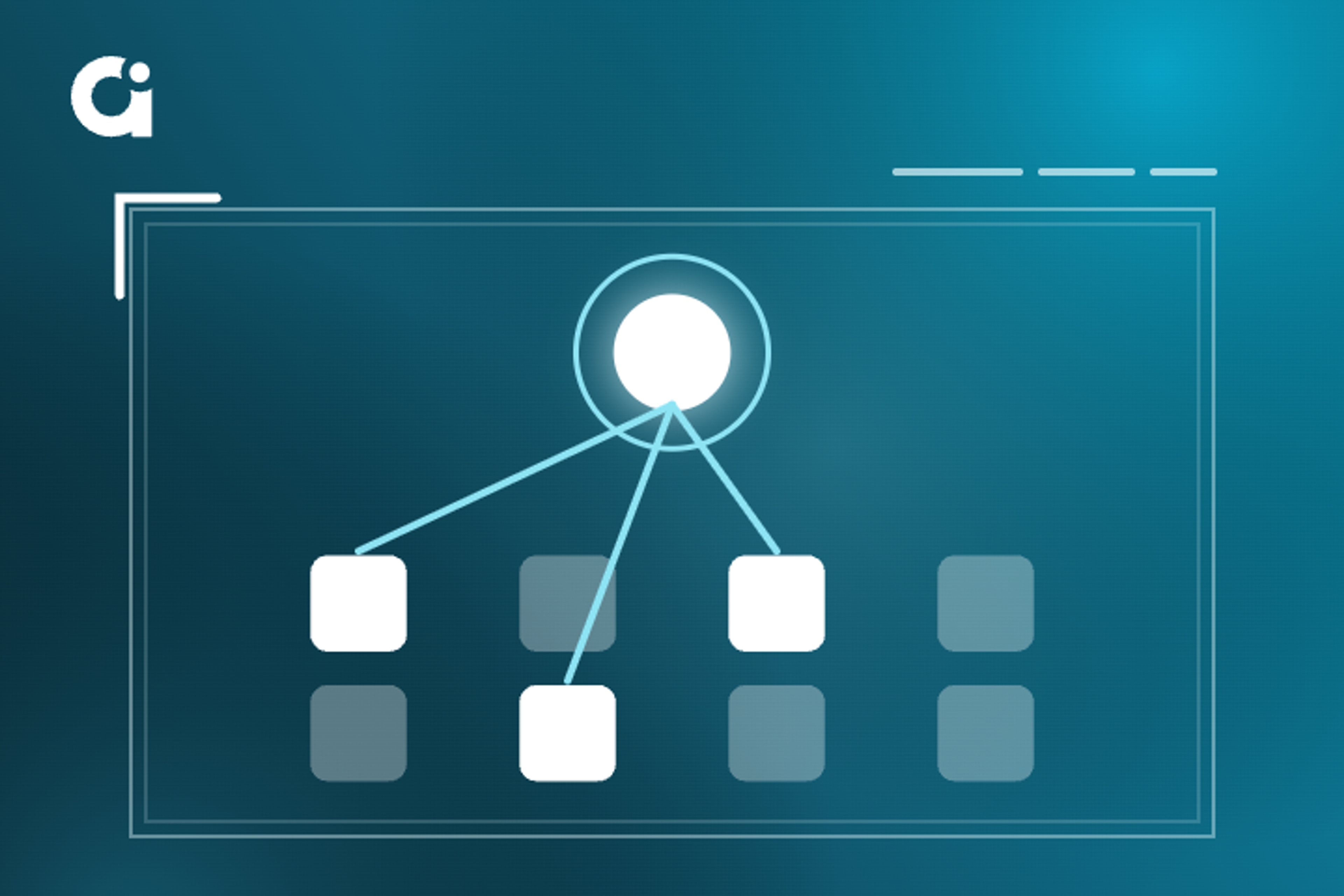
- Metadata per component: purpose, variants, props, relationships and tokens, in a form an agent can query.
- Explicit anti-patterns: when not to use a component, written down so an agent does not have to guess.
- Token semantics: what each token means, not only its value.
- One source of truth: your documentation stays the reference for people, and the metadata sits alongside it for agents.
Which AI tools does it work with?
We map the system for Figma MCP, Code Connect, Cursor and Claude, so the same button means the same thing in Figma, in code and in what an agent builds.
Where do most teams start?
With an agent-readiness audit. It takes two weeks, has a fixed scope and runs in your environment, so your code never leaves it. It shows which gaps cause the rework you are already paying for and which fixes pay back first. Teams that need the rules around an existing system, rather than new engineering, can start with design system governance.
Proof and practice
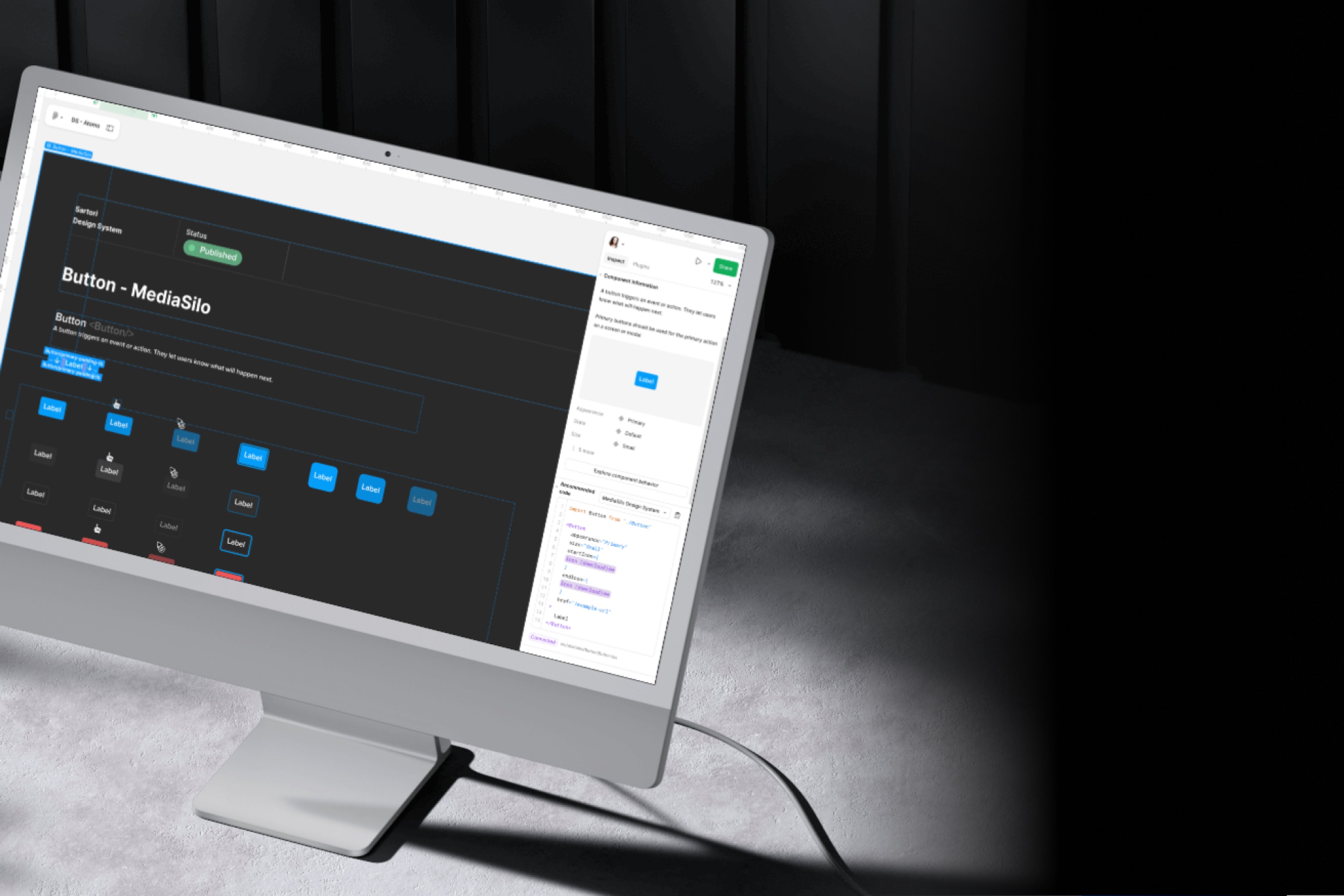
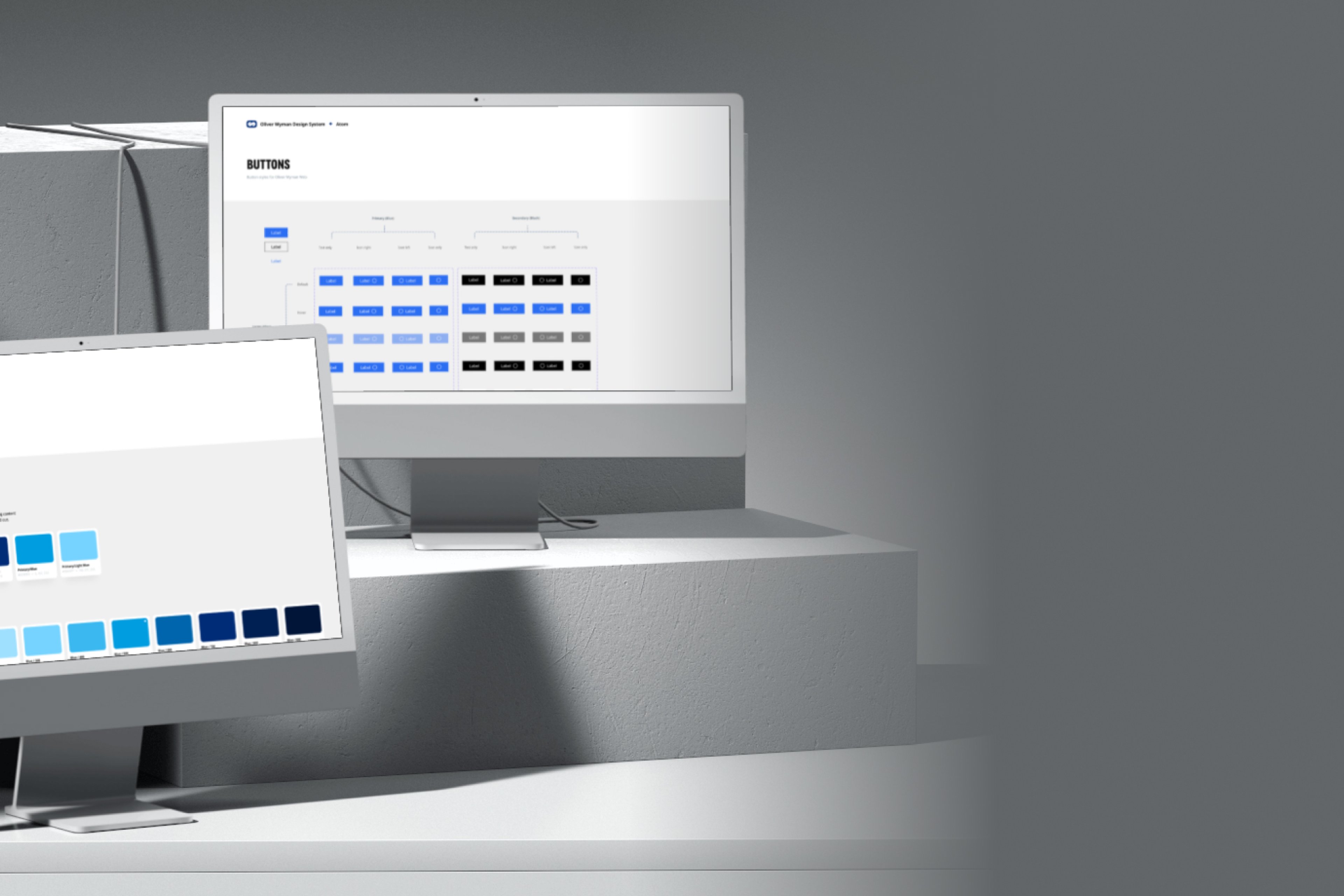
Design system work on the site includes the MediaSilo multi-product design system and the Oliver Wyman web design system.