Your AI feature's biggest outage risk isn't your code. It's your vendor's.
By Lindsey J
AI vendor outage risk is showing up in the numbers
Most product teams wire an AI feature straight to one model vendor's API and move on to the next feature. The feature behaves like infrastructure the team does not operate. Most incident plans were never written for that case.
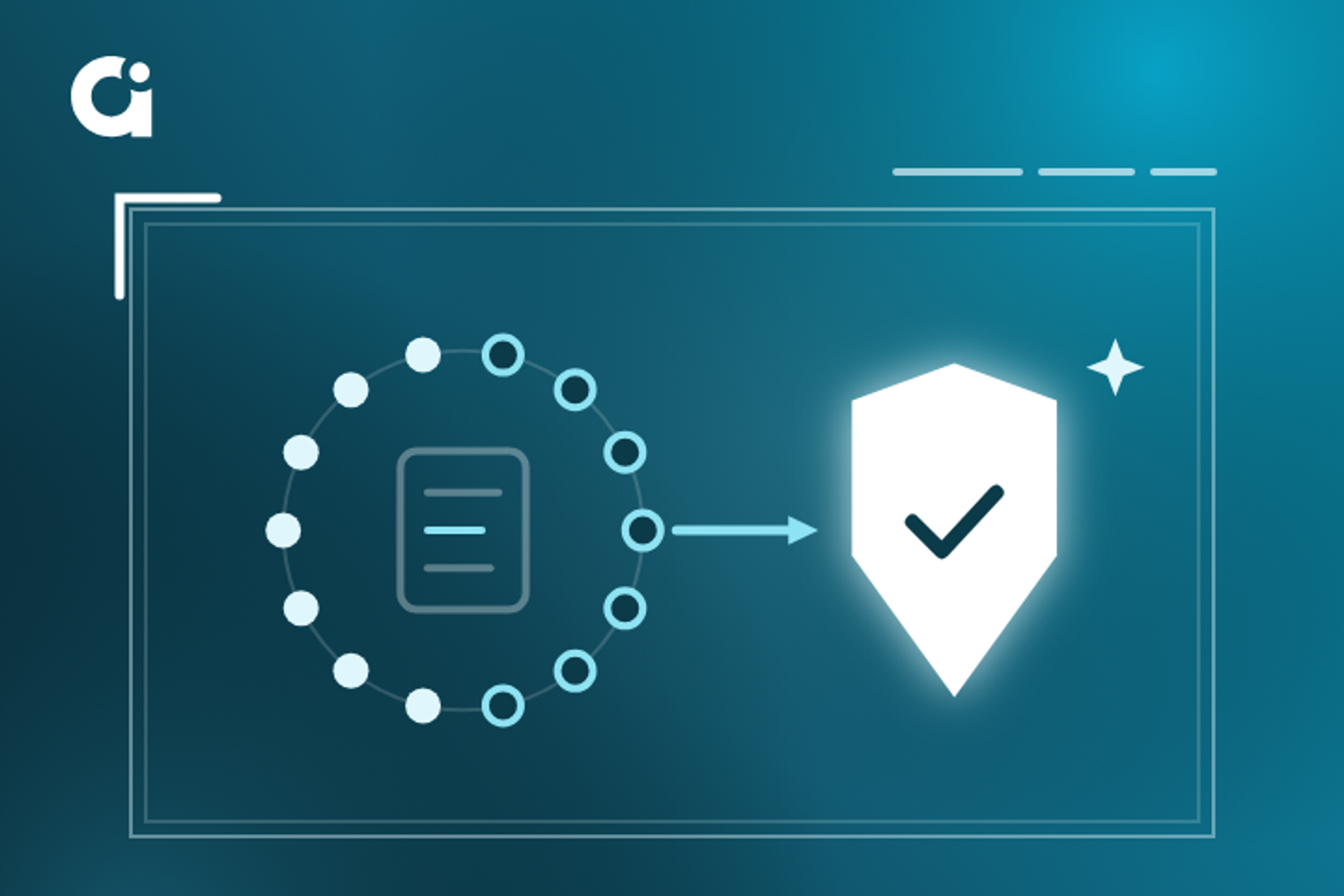
IBM's Institute for Business Value surveyed 1,000 senior executives across 16 countries and 17 industries for a study fielded between February and April 2026. Surveyed leaders reported an average of six AI-related disruptions over the past two years. The release says vendor services were largely to blame. 81 percent said a seven-day vendor outage would still cause severe or critical disruption, effectively halting operations.
Zapier surveyed 542 U.S. executives at companies that already pay for one or more AI vendors. 47 percent said losing their primary AI vendor would stop at least one key business function from working correctly. Only 6 percent said they could continue without interruption.
Switching vendors is not the safety net it looks like
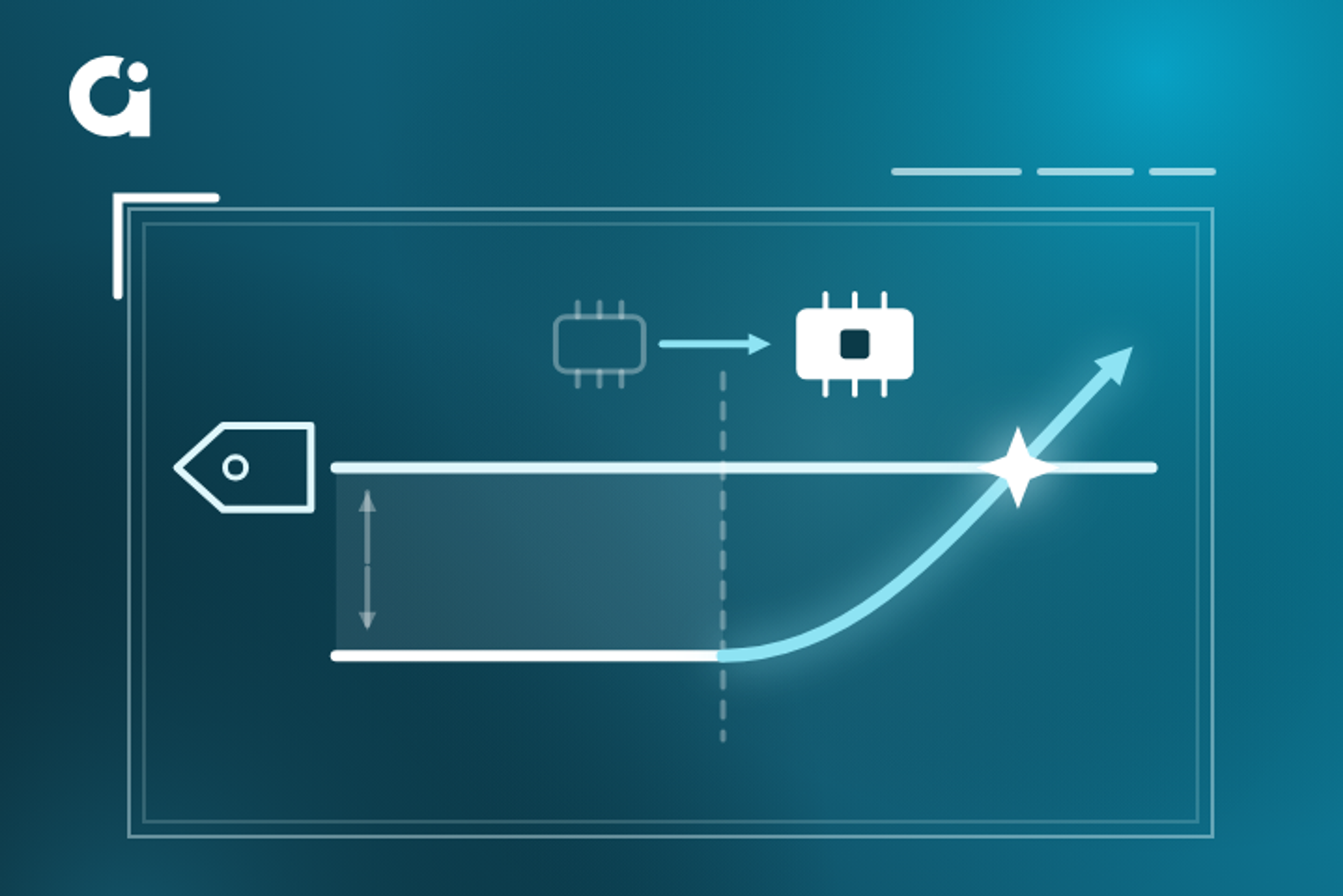
The instinct is to treat a second AI vendor as the fix. IBM found that 71 percent of surveyed executives say switching their primary AI vendor or model would be difficult. 91 percent said they do not fully understand their own organization's dependencies across AI vendors, models, and infrastructure. 72 percent said they would accept a 20 percent cost increase to maintain their AI vendors if it improved strategic flexibility.
Zapier's numbers show the gap between belief and practice. 89 percent of respondents said they could switch AI vendors within a month if they had to. 66 percent had actually tried to migrate between AI platforms already. Only 42 percent of those migrations went smoothly. The remaining 58 percent either failed outright or took far more effort than the team expected.
Picture a support team that rolled out an AI drafting tool for ticket replies. The team never tested what happens when the model vendor has an incident. The first real outage lands during a product launch week. The drafting tool goes dark at the exact moment ticket volume is highest. Support tickets pile up for hours before anyone checks the vendor's own status page. Nobody had owned the question of what happens when the vendor, rather than the product, breaks.
A decision rule for AI vendor outage risk
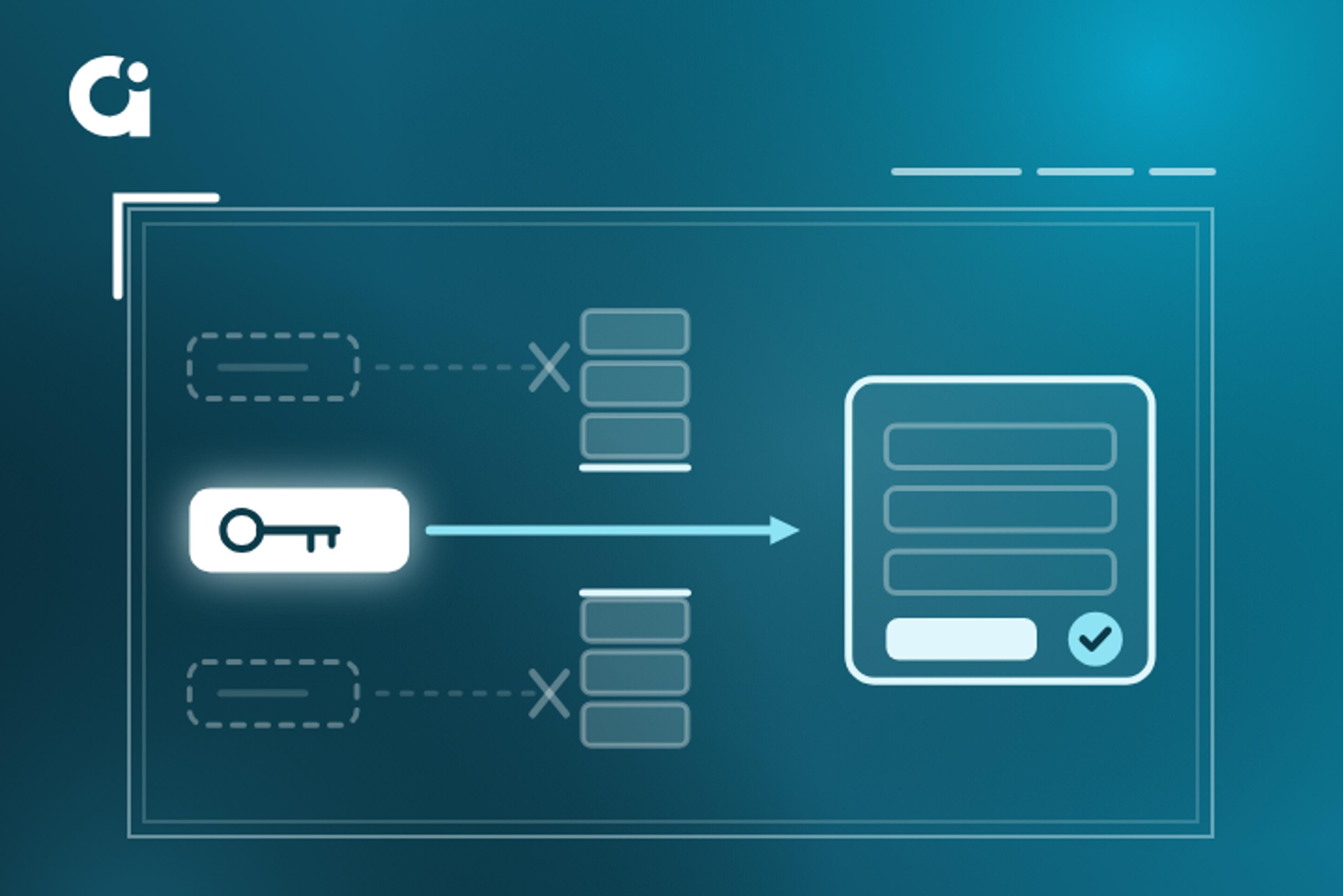
Not every AI feature needs a fallback plan. Here is the rule: if an AI feature sits on a workflow a customer cannot complete any other way, it needs a documented fallback in place before it ships. If a customer has another path, a human reviewer, a manual form, or a cached result, the feature can run without one.
Run this check on your own AI features
- Can you name which of your product's workflows stop working if your primary AI vendor is down for one hour? For 24 hours?
- Does each of those workflows have a documented fallback: a secondary model, a cached response, a queue, or a manual path?
- Who gets paged when the vendor's own status page shows an incident, and what do they do next?
- Has that fallback actually been tested in the last quarter, or only assumed to work?
- If you already use more than one AI vendor, do you know how long a real migration between them takes, or only how long you assume it takes?
The metric already lives on your dashboard
Track incident response time for the AI-dependent workflow separately from the rest of the product's mean time to recovery. A workflow with no fallback plan will show a materially longer recovery time the first time it fails because the vendor broke.
Teams that get an AI feature to production and keep it there treat the vendor relationship as part of the product's reliability budget. See how pilots that reach production differ from the ones that stall.
FAQ
Does using multiple AI vendors remove the risk
Not by itself. IBM found that 73 percent of surveyed organizations already describe their AI environment as intentionally multi-vendor. The same survey still found an average of six AI-related disruptions over two years across the full sample. Multiple vendors help when a workflow can fail over between them automatically. Two vendors that each represent a separate single point of failure leave the underlying risk in place.
Should every AI feature have a fallback plan
No. Save the fallback work for workflows a customer cannot complete any other way. A nice-to-have AI feature with another path for the customer can fail without a documented plan behind it.
Who should own this inside a product team
Whoever already owns that workflow's reliability, not a separate AI team. Treat a vendor outage as a product incident with a vendor as its root cause.
If your team has not mapped which AI features actually need a fallback, that conversation is worth having before the next vendor incident. Get in touch and we can walk through it together.