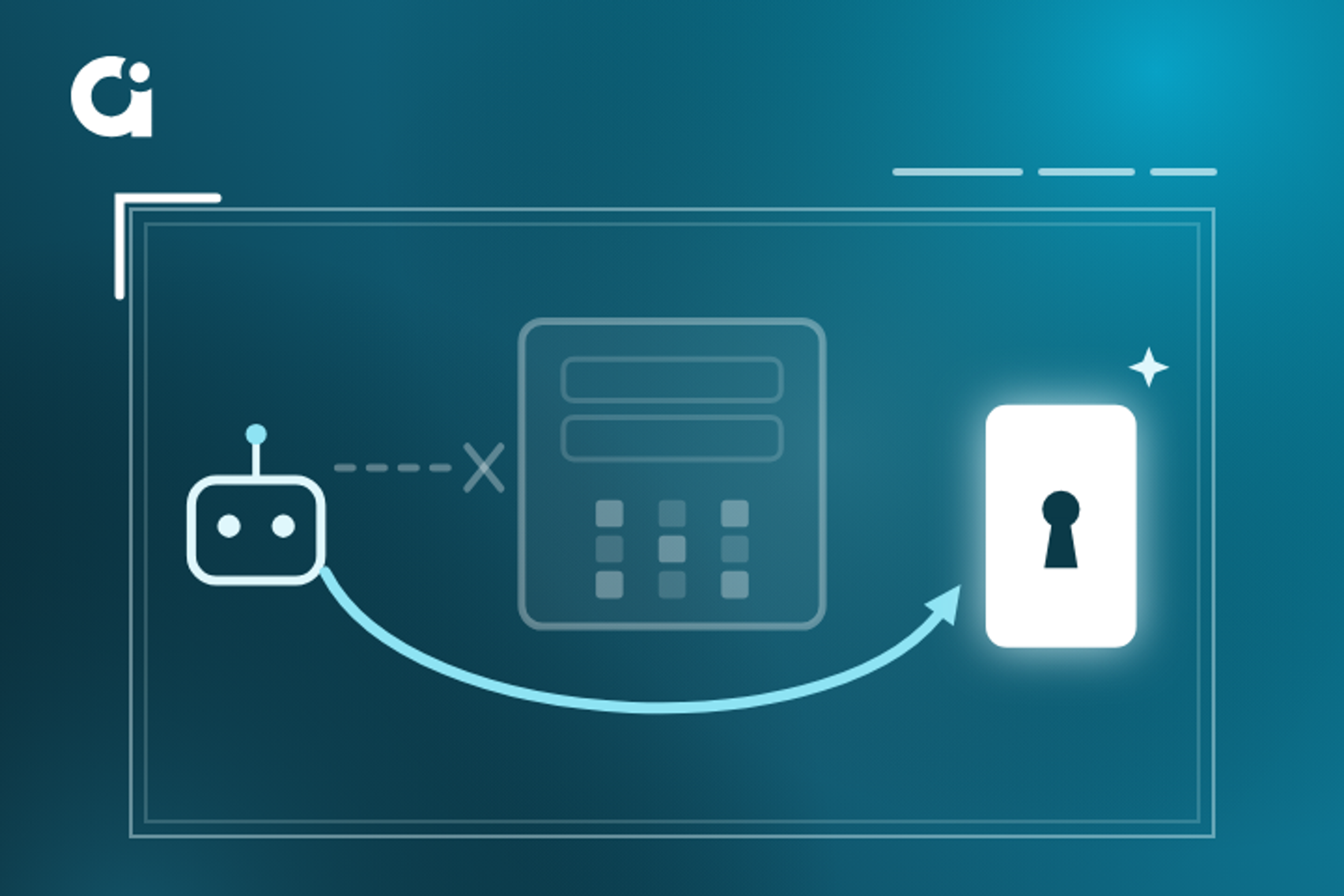
Blocking every AI agent was the safe default. It just stopped being free
By Lindsey J
A site's bot defenses have one job: tell a legitimate visitor from an attack. For years that job had a simple default: block anything that looks automated, and let everyone else in. That default cost nothing, because almost nothing automated back then was a paying customer.
That assumption is breaking. A growing share of the automated traffic hitting a checkout page, a signup form, or a pricing page today is an agent acting on a real customer's behalf. Blocking it on sight is no longer free. It is a sale, a signup, or a renewal that never completes.
Why your site still blocks AI agents by default
Security teams built bot defenses to stop fraud, scraping, and credential stuffing. Those defenses still have to do that job. What changed is the population standing on the other side of the wall.
Cloudflare now gives site owners granular control over which categories of automated traffic to allow, instead of one block-or-allow switch for everything. The company announced the change in Your site, your rules: new AI traffic options for all customers. A single switch only had one answer for every kind of bot. For a growing share of sites, that answer was starting to cost real traffic.
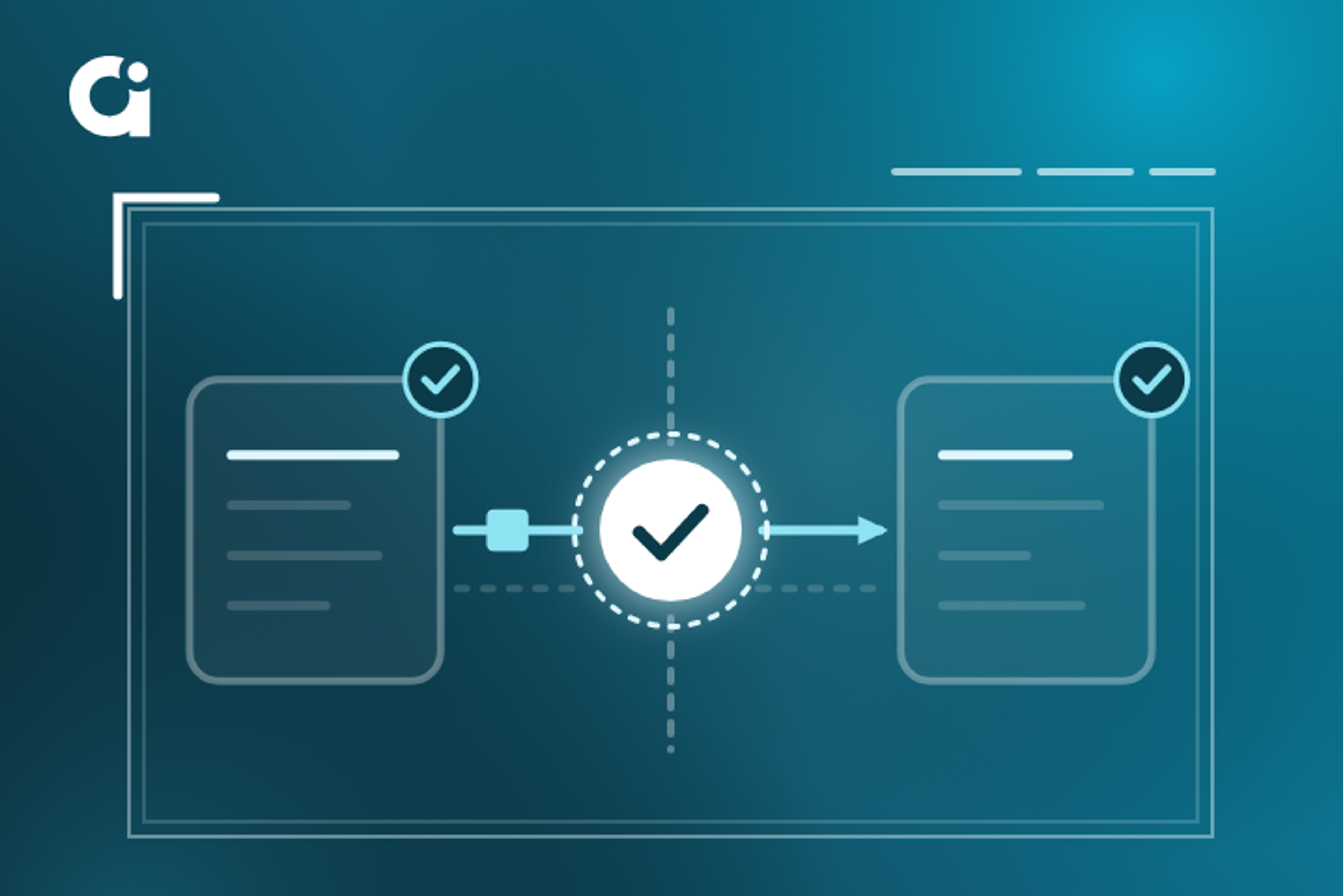
The identification problem is also moving toward a formal standard, not just a vendor feature. The Internet Engineering Task Force is drafting HTTP Message Signatures for automated traffic, an early-stage specification, not yet finalized, for letting an automated client cryptographically sign its own requests so a site can tell which agent sent them. A standard only gets drafted when enough of the internet needs the same answer to the same question. Whose agent is this? Should it be let through?
The decision nobody moved off security's desk
Most teams never revisited the block-everything default. Nobody owns the question of what a legitimate agent is worth. Security owns the risk of letting the wrong thing in. Nobody owns the cost of keeping the right thing out, because that cost never shows up as an incident. It shows up instead as a lower conversion rate that nobody traces back to a firewall rule.
Decision rule: once agent-initiated traffic is large enough to show up as its own line in referral or checkout analytics, the block-all default needs a product or revenue owner in the room, not security alone. Before that point, revisiting the setting is premature. After it, leaving the setting untouched is still a decision. It is just an unexamined one.
Picture a mid-size subscription software company whose web application firewall was configured years ago to block any request pattern that looked scripted. A partner integration later starts routing customer renewal requests through an agent that reads the pricing page and submits the upgrade form on the customer's behalf. The firewall blocks the agent the same way it would block a scraper, because nothing in the rule has changed since it was written. The renewal fails silently. The customer calls support instead, and the only metric that moves is a support ticket that nobody connects to the firewall log.
Check your own defaults this week
Self-assessment
- Do we know what share of our blocked automated traffic is an agent acting for a real customer, not a bot we actually want to stop?
- Who last reviewed our bot-blocking defaults: security alone, or security together with product or revenue?
- If an agent fails at our checkout, signup, or pricing page today, does anything tell us that happened?
- Have we evaluated a way to let a verified agent through, such as a signing standard, instead of leaving the setting at block-all?
One test to run this week
Pull last week's bot-management or web application firewall logs. Count how many blocked requests match a known AI agent's user agent string, rather than an anonymous scraping pattern. That single number tells you whether this is premature for your product today, or already overdue.
This sits one layer below the login wall. A closer look at that layer is in Your login page was built for a person. Can an agent get through it?, but a login form is only one of the forms a customer's agent might need to complete.
FAQ
Fraud risk when agents get through
It can, if the agent is not verified. A signing standard like HTTP Message Signatures for automated traffic addresses identification, not trust. A valid signature proves which agent sent a request. It does not prove the request is benign or authorized. It still lets a site tell a cryptographically identified agent apart from an anonymous one, which is the first step before deciding whether to trust it.
Not only a checkout flow problem
No. Any form a customer's agent might need to complete sits behind the same default, including signup, scheduling, support intake, and account changes.
Who owns this decision
Security still owns the risk of letting the wrong thing in. Product or revenue should own the cost of keeping the right thing out. Both need to be in the room when the default gets revisited.
Sources
Cloudflare: Your site, your rules: new AI traffic options for all customers
IETF: HTTP Message Signatures for automated traffic (Internet-Draft)
If your team is not sure which side of that line your current defaults land on, that is a short, concrete conversation to have before the next renewal cycle finds out for you.