Multi-agent AI failures happen at the handoff
By Lindsey J
Most teams debugging a failed AI agent start by rereading its reasoning trace. That is not the whole story once a second agent joins the workflow. A 2025 research paper, "Why Do Multi-Agent LLM Systems Fail?" by Mert Cemri and twelve co-authors, studied failures across multiple multi-agent systems and found that most trace to problems in how the system is organized and how agents coordinate, rather than to the limits of any individual model. The paper groups failures into three categories: system design issues, which it found to be the largest single category, inter-agent misalignment, and task verification.
This matters because most teams only test whether each agent, on its own, does its job. They check that each agent passes its own evaluation suite before shipping. They rarely check what happens at the seam where one agent's output becomes another agent's input. A workflow can fail at that seam even when every agent passed its own test. The same pattern shows up wherever a workflow is split across agents: a coding agent handing a plan to an execution agent, a research agent handing findings to a drafting agent, or a support triage agent handing a ticket to a resolution agent. Calling that seam "the handoff" is this post's own framing, not a term the paper itself uses.
Why multi-agent AI failures cluster at the handoff
A single agent fails when its own reasoning goes wrong: a bad plan, a hallucinated fact, a tool call with the wrong arguments. A multi-agent handoff failure is different. Agent A finishes its part correctly by its own standard. Agent B starts its part correctly by its own standard. The task still fails, because A's definition of done and B's assumption about what it received were never the same thing.
The paper's inter-agent misalignment category covers failures like one agent ignoring another's input, withholding information the other agent needed, an unexpected conversation reset, and a separate drift away from the task's objective, which the paper tracks as distinct failure modes within this category. A related problem, agents redoing work already finished, sits in a different category: system design issues. None of this shows up in a test that evaluates one agent at a time, because each agent, tested alone, can still look correct.
Picture a two-agent support workflow
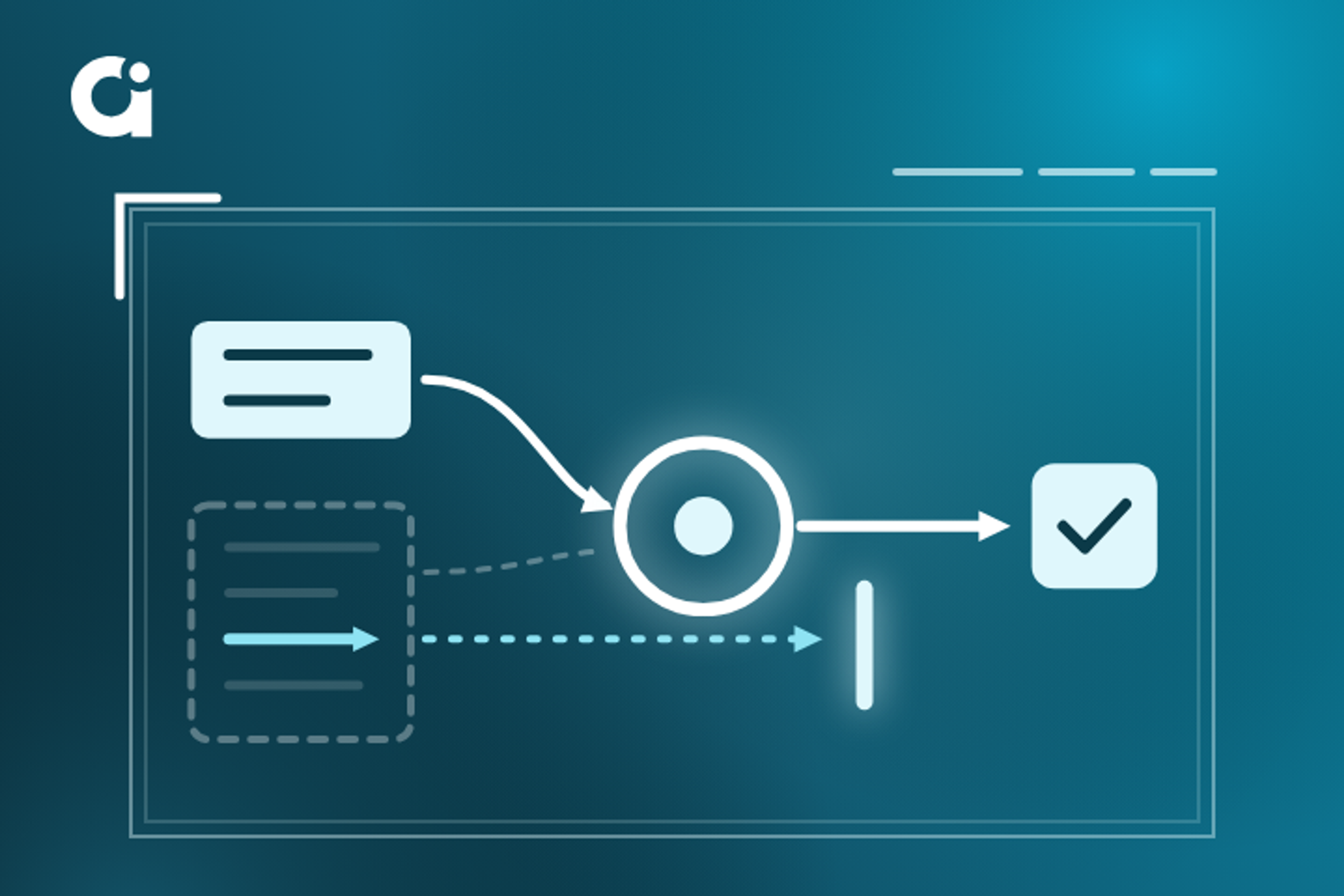
Picture a support workflow where a triage agent reads an incoming ticket, tags it with a category and a priority, and hands the tag to a resolution agent. The resolution agent drafts its reply from the tag alone, not the original ticket text. A customer writes a long, polite message describing a billing dispute. The triage agent reads the polite tone and tags the ticket "low priority, refund request." The resolution agent trusts the tag and sends a templated low-priority reply to what was actually an escalation-worthy dispute. Neither agent was built wrong. The handoff carried a summary instead of the full context. That summary was wrong in a way neither agent could catch from inside its own step.
The decision rule: verify every agent handoff
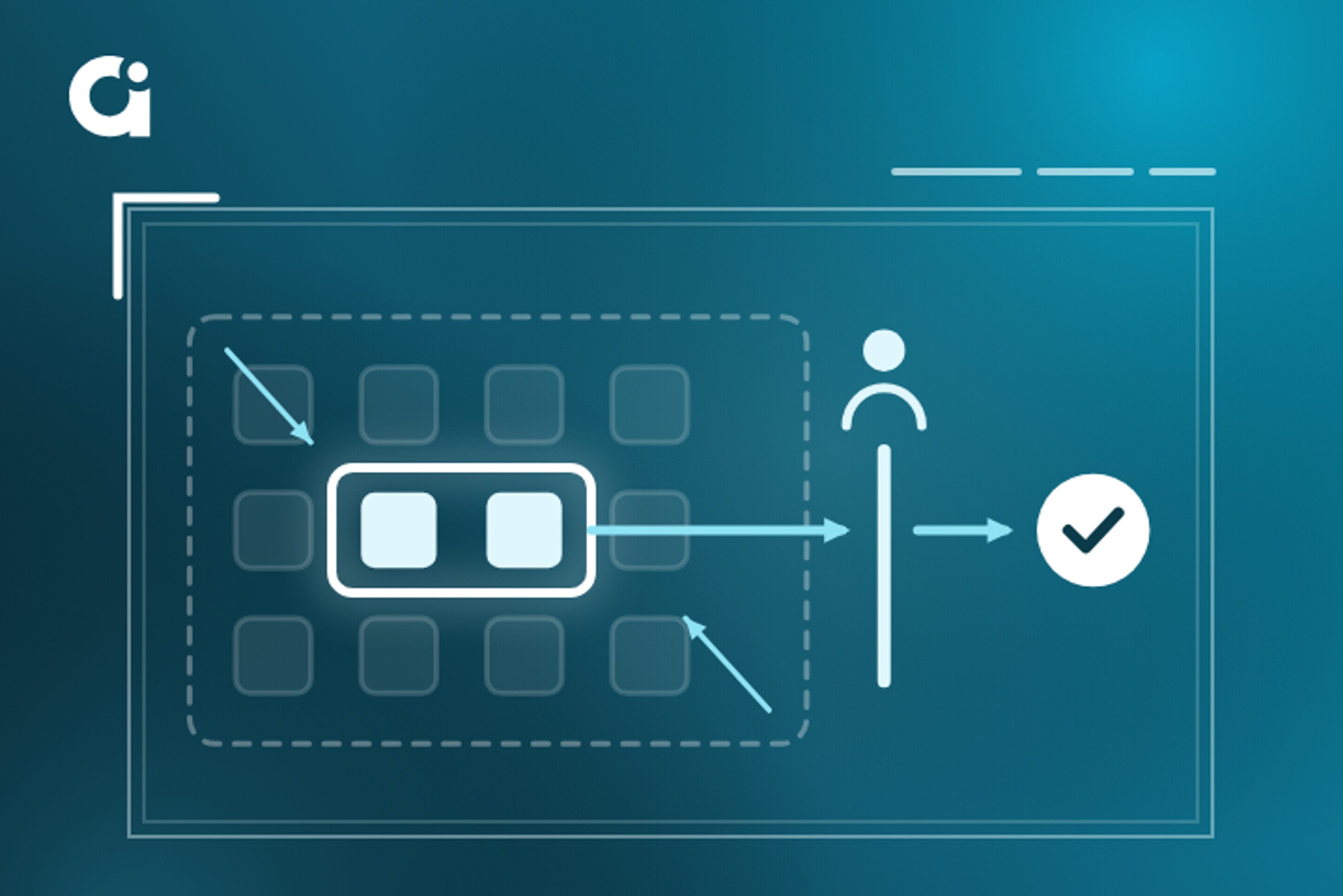
A workflow does not need a failure to justify this step. The moment a second agent joins is trigger enough. At that point, add a verification step that checks the handoff itself. Confirm that the receiving agent has what it actually needs. Confirm the task state the first agent claims to have reached, with a rule, a smaller model, or a person, before the second agent acts on it.
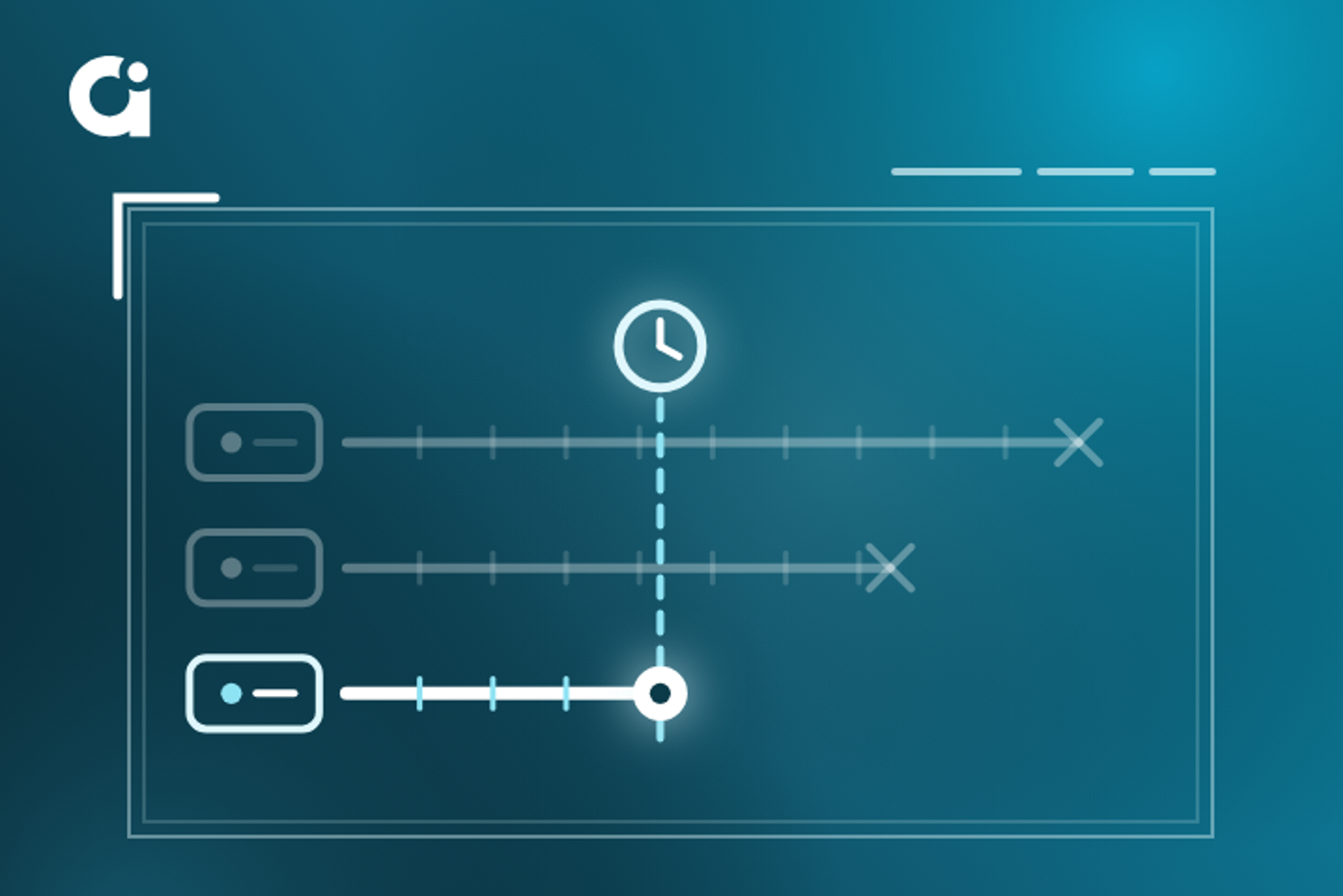
Deciding where to place a human checkpoint in a single long-running agent task is not a new problem. The same logic applies to a handoff between two agents. Place the check at the seam. A check placed only at the end of the whole workflow catches the problem too late, once a wrong assumption has already propagated into a customer-facing answer.
Most support and operations teams already track the metric that shows whether this is working: escalation rate, the share of tickets or tasks that bounce to a human after automated handling. Watch escalation rate before adding a second agent to a workflow, and again after. If it rises, the handoff is where to add the check. The agents themselves may both be working exactly as designed.
Is your workflow handoff-safe
- Can you point to the exact message where one agent handed a task to the next, the last time something went wrong?
- Do your agents share one definition of done for the task, or does each agent infer its own?
- When two agents disagree about the state of a task, does anything stop the workflow, or does it keep running on a stale assumption?
- Does anything check the final output against the original request, separate from the step that confirms each agent finished its own piece?
FAQ
Is a handoff failure different from a single agent's reasoning error
Yes. A reasoning error happens inside one agent's own process: a bad plan, a wrong fact, a misread instruction. A handoff failure happens between two agents that each performed correctly by their own standard. The cause is a mismatch between what one agent assumed and what the other actually delivered.
Does adding a verification step slow the workflow down
It adds a step. That step adds some latency and some cost. Weigh that against the cost of the failure it catches. A billing dispute mishandled by a templated low-priority reply costs more in a damaged relationship than the extra time a verification check adds.
What if we only run one agent today
The decision rule still applies on the day a second agent is added, not after the first handoff failure reaches a customer. Decide the verification step at design time, while the workflow is still on paper, not after it is live.
Sources
- Mert Cemri et al., "Why Do Multi-Agent LLM Systems Fail?" (arXiv, 2025)
If your product is moving from one agent to several, the first verification step belongs at design time, not after a bad handoff reaches a customer. Get in touch to talk through where that check fits in your workflow.