Your login page was built for a person. Can an agent get through it?
By Lindsey J
Something that is not a person is already trying to use your product.
A browser-automation agent, a connector plugged into a customer's own AI assistant, or a script acting on someone's behalf opens your sign-up form or your login screen before anyone on your team hears about it. Most of those attempts fail. They fail quietly.
Most agent traffic fails at your login screen
An agent meets a CAPTCHA built to stop bots, a one-time code sent to a phone it cannot read, or a session check built around mouse movement and typing rhythm. It cannot get past any of those, so it stops. That failure does not show up in your funnel as "an agent could not sign in." It shows up as an unexplained drop at the step right after your authentication wall, and nobody connects the two.
How often an agent actually gets through
A 2026 study tested eight multimodal AI models, including Claude, GPT, Gemini, and Grok, run as closed-loop agents that see a screen and click through it the way a person would. The researchers ran each model against ten families of CAPTCHA, from plain text transcription up to tile restoration and icon-sequence selection.
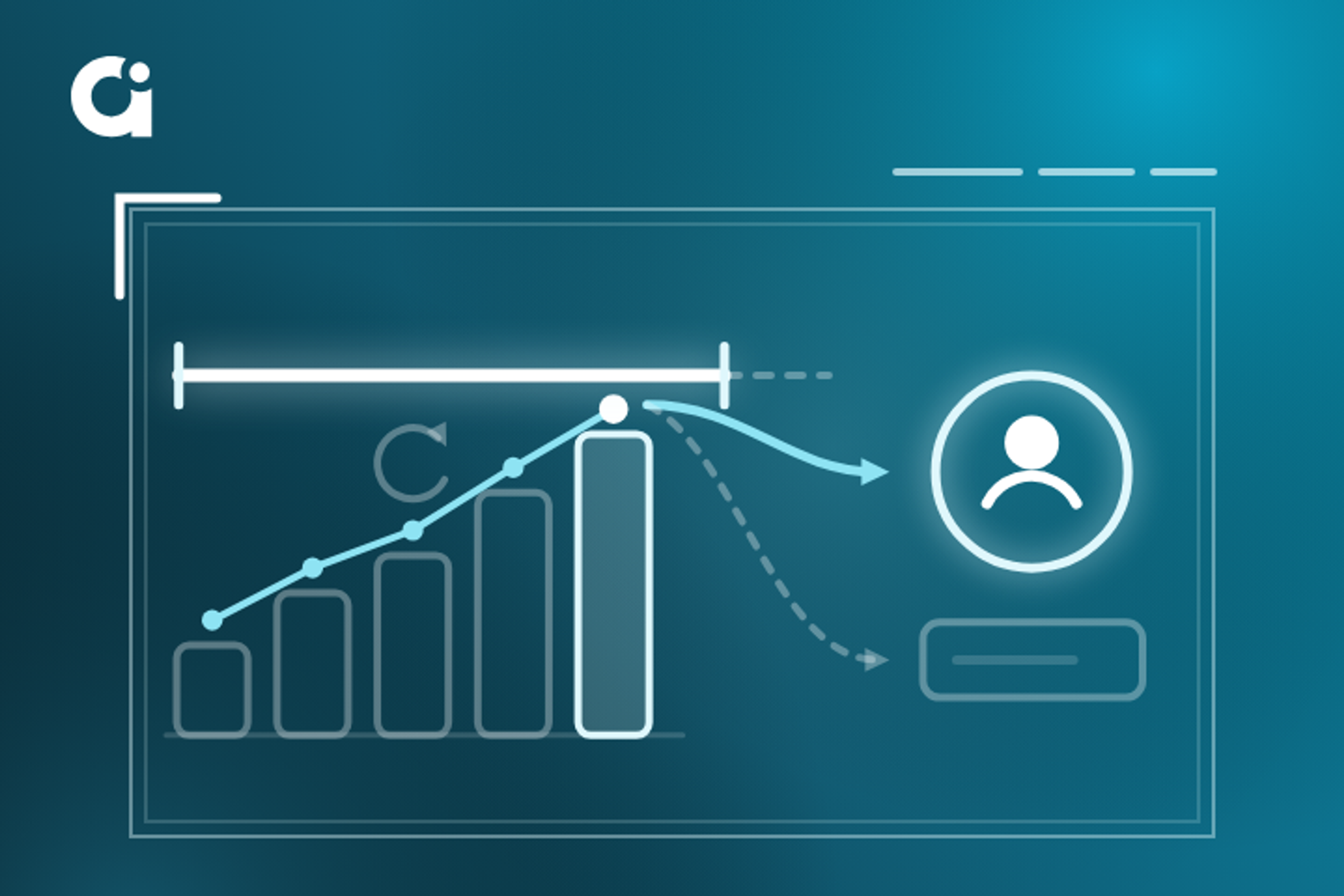
On the easiest, static version of the test, the best-performing model, Claude-Opus-4.6, solved 90 percent of the puzzles. Require the agent to prove its path through the challenge with a valid interaction trace instead of just a final answer, and every one of the eight models tested fell below half. The best score under that harder condition was 45 percent, from Gemini-3.1-Pro. Claude-Opus-4.6, the strongest performer on the simple version, fell to about 24 percent.
The gap between passing a simple click-through test and passing one built specifically to catch non-human behavior is the gap sitting underneath your own login flow right now, whether or not anyone has measured it there.
Is this already your problem
A self-check before you rebuild anything
- Does your sign-up or login flow include a step whose only job is proving the visitor is human?
- If a customer's AI assistant tried that step today, would it fail, and would anyone notice?
- Do you already have traffic you suspect is agent-driven, and do you know what share of it completes onboarding versus abandons at that step?
- Has a customer asked you for a way to let their own assistant or automation do, programmatically, what they do by hand in your product?
If the honest answer to the last two questions is "I don't know," that is the finding. The gap is not hypothetical. It is unmeasured.
A decision rule for building agent authentication now
Build a scoped, token-based path for an agent, separate from your human login, when either of two things is true. Your funnel already shows unexplained agent-shaped drop-off at the authentication step, or a customer has asked for programmatic access to a workflow they currently do by hand in your interface. If neither is true yet, instrument your login funnel to detect agent traffic before you redesign anything around it. Measuring first keeps the decision reversible.
Imagine a project-management tool whose customers increasingly delegate weekly status updates to their own AI assistant. The assistant signs in with the customer's saved credentials, meets a CAPTCHA meant to stop attackers, and fails silently every time. The customer assumes the integration is broken and eventually cancels. The real gap was a login page that could not tell a delegated agent from a bad actor.
What agent authentication looks like, instead of a bigger wall
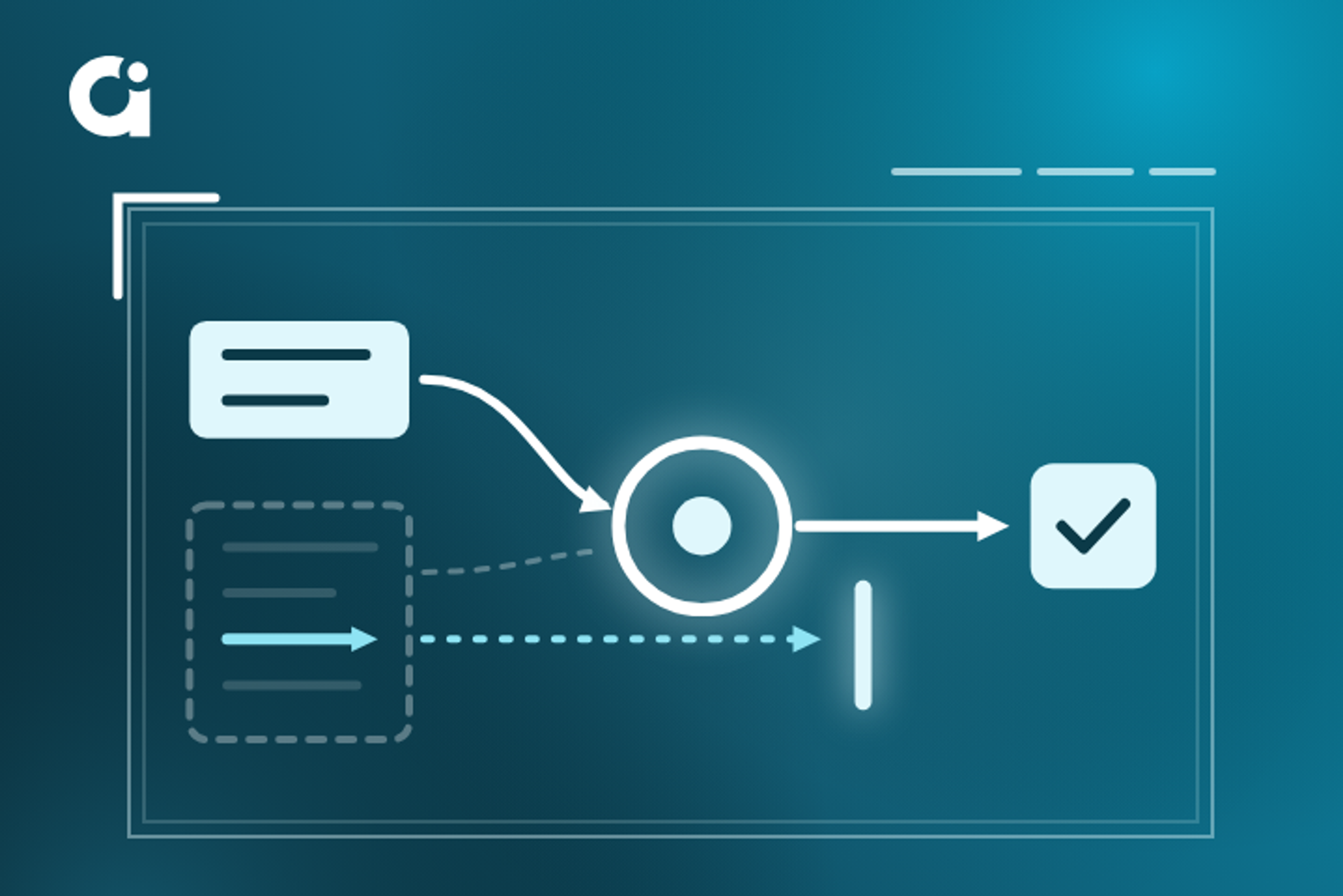
The fix is not weakening the CAPTCHA or the one-time code that protects a human account from takeover. It is giving an agent its own door: a scoped API key or an OAuth client credential tied to the customer who authorized it, logged and revocable the same way any other integration is.
Two related questions are what an agent can do once it is through that door, and whether your product's interface can be operated by one at all, the ground an agent-readiness audit covers. Authentication is the narrower question of whether the agent gets that far in the first place.
FAQ
Does this mean getting rid of CAPTCHA
No. It means giving an authorized agent a path that does not require it to defeat the same test built to stop an unauthorized one.
How do I find out if agent traffic is already hitting my login page
Start with your own logs. Look for session attempts with no mouse movement, failed CAPTCHA attempts clustered on a handful of accounts, or API calls that mirror your UI flow exactly. None of that requires new tooling. It only requires a reason to look.
Is this the same as writing better API documentation
No. Documentation tells an agent how to use an endpoint it can already reach. Authentication decides whether it can reach the endpoint at all.
Sources
HLL: Can Agents Cross Humanity's Last Line of Verification? (arXiv preprint)
If you want a clear answer on whether your own sign-up or login flow would stop an authorized agent today, we're glad to look at it with you. Reach out.