Your AI feature grew the buying committee. It didn't come with answers.
By Lindsey J
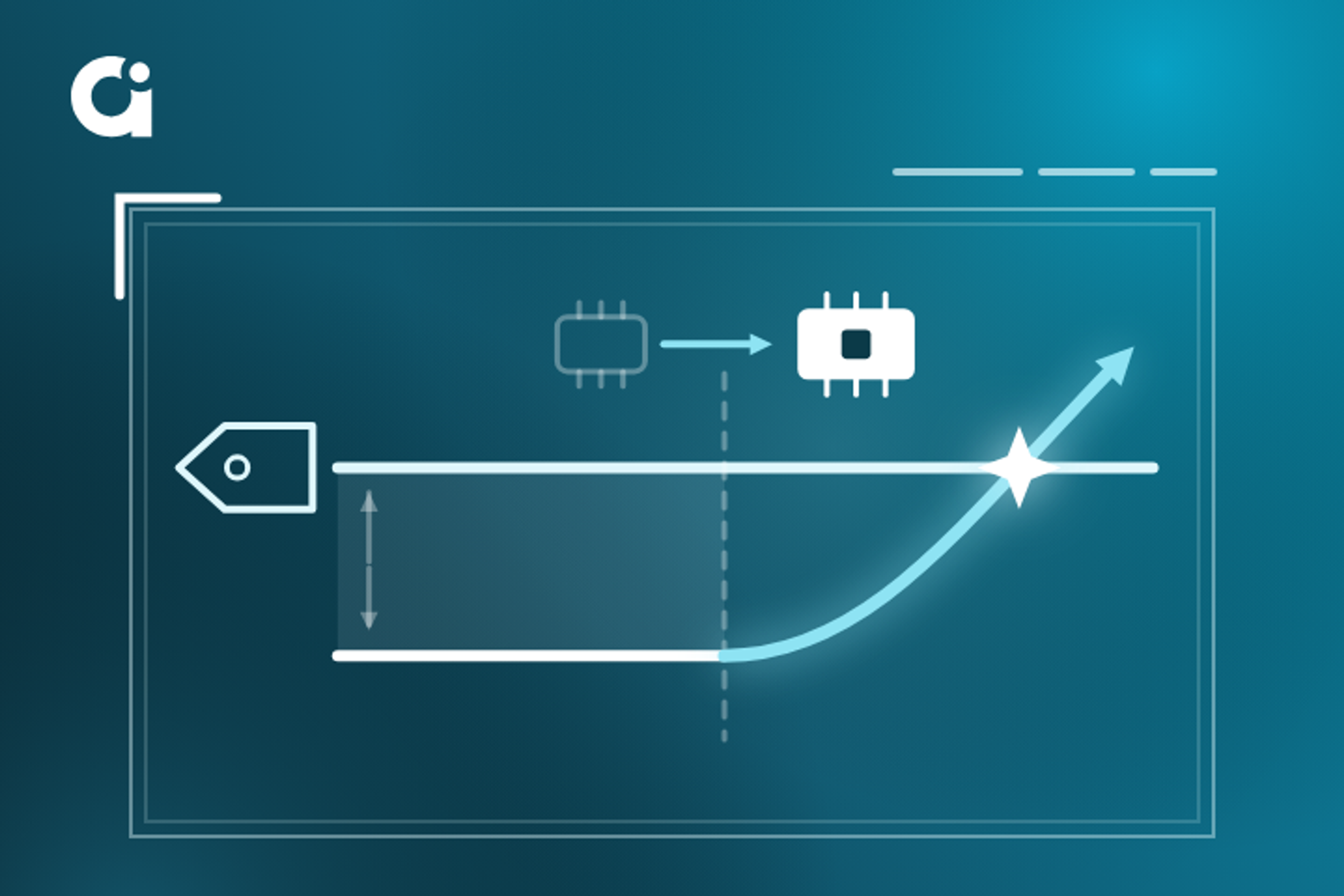
Forrester surveyed almost 18,000 business buyers in 2025 for its Buyers' Journey Survey. It found that a purchase including a generative AI feature pulls in an average buying committee of 14 people. A purchase without one averages seven.
That is not a coincidence of bigger deals. It is a different kind of scrutiny arriving at the same table.
Why your buying committee got bigger
Forrester's own research found that buyers already distrust AI-generated information inside their own research process. They check claims against product experts, industry analysts, and their own networks before they act on them. The same survey found that 94 percent of business buyers now use AI somewhere in their buying process. So this distrust is not a fringe habit. It is the default stance of the person on the other side of your deal.
Forrester's research does not say who makes up the extra seven people in a generative AI purchase's buying group. Here is this post's own read on that gap, worth checking against your own recent deals rather than taking on faith: the extra names are rarely more executives. They are usually roles that only show up once a product's data handling is in question, such as security, privacy, procurement, or legal.
The metric this shows up in is deal cycle time, not committee size. A team that already tracks how much security review adds to a sales cycle has an easy way to test whether this matters to them. Pull the last three deals that included the AI feature and check how many of them picked up an extra reviewer partway through.
What a security review for an AI feature actually checks
DataGrail's fifth annual Privacy and AI Trends Report, published in 2026, tracked 2,400 business systems. It found that 32.8 percent of them carry out at least one high-risk activity, such as processing sensitive data or making an automated decision. The same report counts 145 new state AI laws passed in 2025 alone.
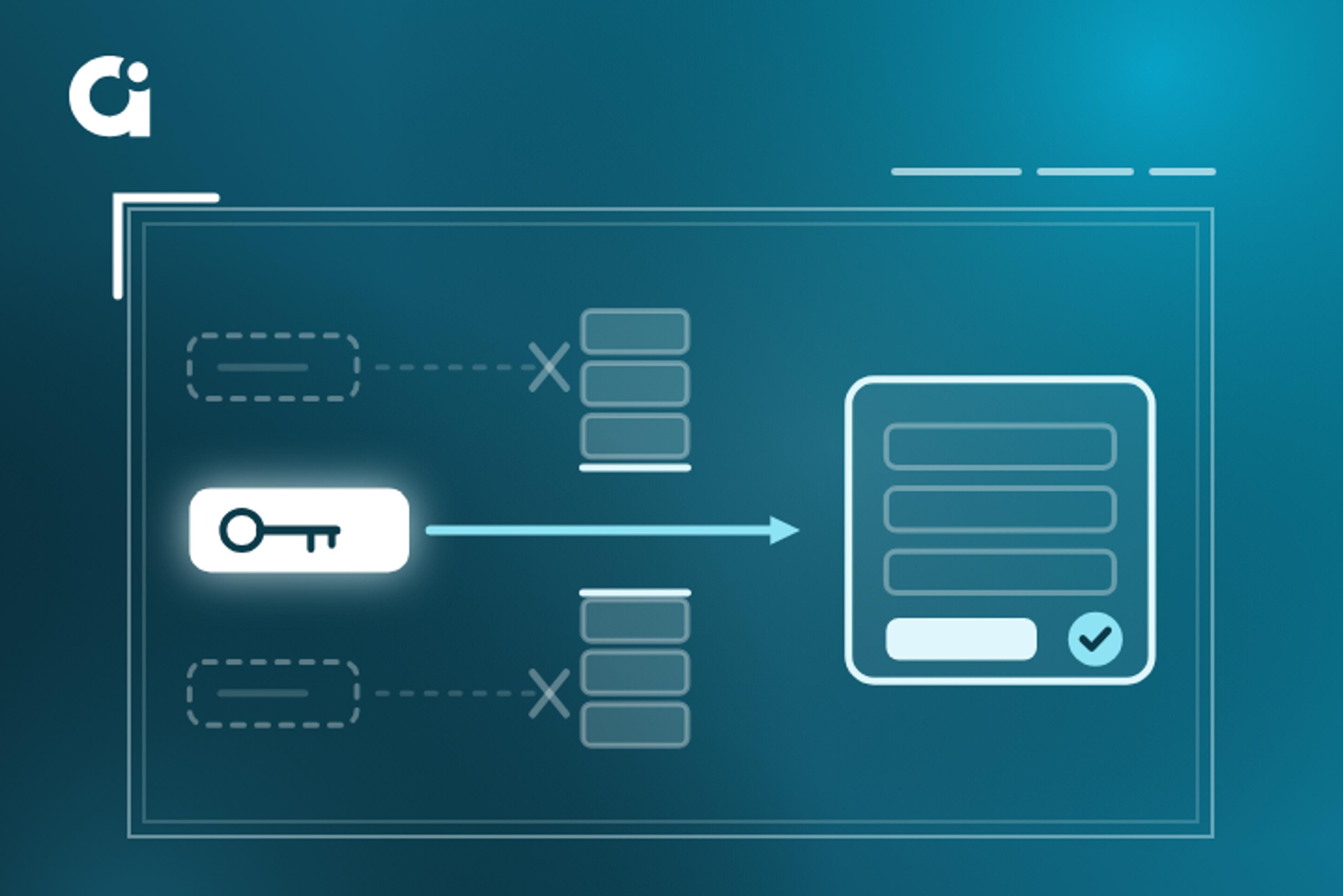
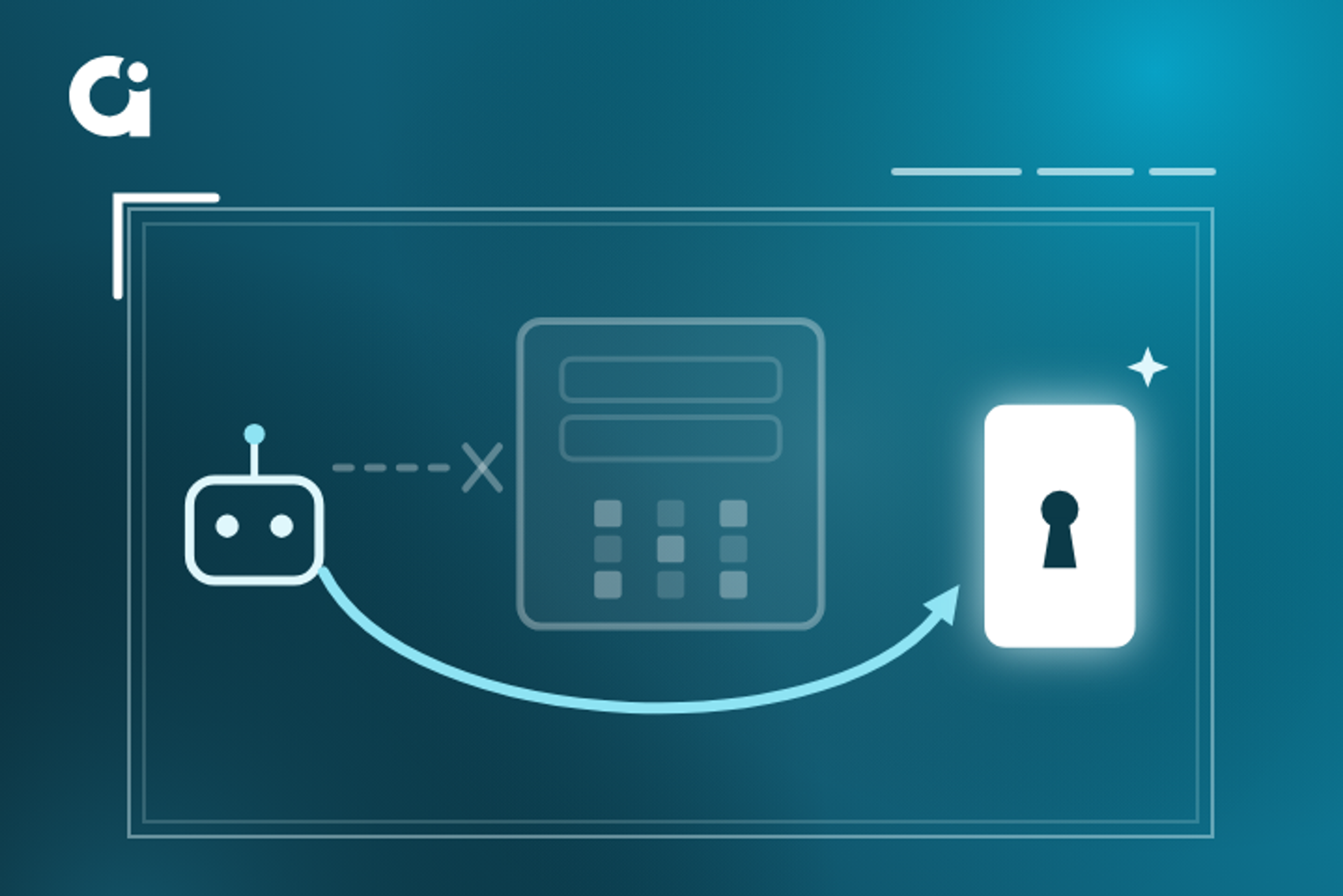
A reviewer who joins a deal once your product carries an AI feature is usually checking three things: where the data goes, whether a decision gets made without a person approving it, and which of the new rules now applies to a product that answered to none of them a year ago.
A decision rule for before the review stalls a deal
If your AI feature processes customer data in a new way, write the answer down before the first security questionnaire arrives, not after.
Before your next AI feature review
- Can you say, in one sentence, where customer data goes when the AI feature runs?
- Does any customer data train a model, yours or a vendor's, and is that written down where a reviewer can read it?
- Is there a point where the feature's output triggers an action with no person approving it first?
- Can you name every subprocessor that touches that data, not only the ones in the original contract?
Picture a product team that added a ticket-summarization feature to its support tool midyear. The next renewal brought in a security reviewer neither side had dealt with before. The question was not about uptime or single sign-on. It was whether ticket content ever left the product's own infrastructure to reach the underlying model. Nobody on the product team had a one-sentence answer ready. The renewal slipped six weeks while they built one.
This is the same test behind an earlier piece on what actually differentiates an AI feature: once a feature is table stakes, the parts a buyer can verify are what decide the deal. A clear answer to a data question is one of those parts. It is cheaper to write before the question is asked than after.
FAQ
Does this only apply to enterprise sales
Forrester's buying-committee data is about B2B purchases, where a named security or procurement reviewer is normal practice. A consumer product will not get a review this formal. App store disclosures and browser privacy prompts are doing a smaller version of the same check.
Who should write the first answer
Whoever owns the AI feature's product spec is closest to the real data flow. A first draft from that person, sharpened afterward by security or legal, tends to be faster and more accurate than starting from a template. This is Aero's own practical lens, not an industry standard.
What if the honest answer is not a good one
Say so plainly before a reviewer finds it on their own. A reviewer who catches a vague or evasive answer tends to read the rest of the questionnaire with more suspicion, not less.
Sources
- Forrester, "The State Of Business Buying: Risk-Averse Buyers Demand Proof, Not Promises"
- DataGrail, "Privacy and AI Trends Report 2026: Shadow AI Emerges as a Growing Threat While Core Privacy Challenges Persist"
Aero helps product teams turn an AI feature's real data behavior into the plain answer a reviewer is asking for, before it becomes a stalled deal. Get in touch.