Your AI agent broke something. Now prove what it did and why
By Lindsey J
When the agent is the one who broke it
Teams spend months deciding how much autonomy to give an AI agent. Few spend the same effort deciding how they will find out what the agent actually did once something goes wrong. The two questions are not the same. One is about control before the fact. The other is about proof after it.
A report commissioned by Token Security and published by the Cloud Security Alliance in April 2026 found that 65 percent of organizations reported at least one AI agent related incident in the past year. The same report describes data exposure and operational disruption as common effects of those incidents, at 61 percent and 43 percent respectively. It also found that 82 percent of organizations discovered AI agents running that nobody had approved, most often inside internal automation tools and large language model platforms.
What an AI agent audit trail actually has to answer
Finding an unapproved agent tells a team it exists. It does not tell them what that agent did last Tuesday, which record it touched, or which change to its instructions made it act differently. Reconstruction is the harder skill. It is the one that decides how fast an incident gets contained and how credible the explanation is afterward, to a client or to a regulator.
Imagine a support agent that is allowed to issue refunds under fifty dollars without review. One week it approves forty refunds in an hour, each one inside its rules, all to the same account. Nobody wrote a rule against that pattern because nobody imagined it. The question that matters now is not whether the agent was authorized. It is whether the team can pull a complete, ordered record of every refund it approved, the input that triggered each one, and the policy version running at the time.
The confidence gap worth checking before an incident tests it
The same Cloud Security Alliance report found that 68 percent of organizations report high confidence in their visibility into agent activity, measured in the same survey period as the 82 percent that discovered unapproved agents. The report does not connect those two figures itself. Treat the gap between them as a prompt to check your own setup, not as a finding the report states. A team's confidence that has never been tested by a real incident has not actually been tested.
A decision rule for widening an agent's scope
Before an agent gets a wider set of permissions, a longer chain of steps, or the ability to act without a person checking each one, answer four questions about the access it already has.
Before you widen an agent's permissions
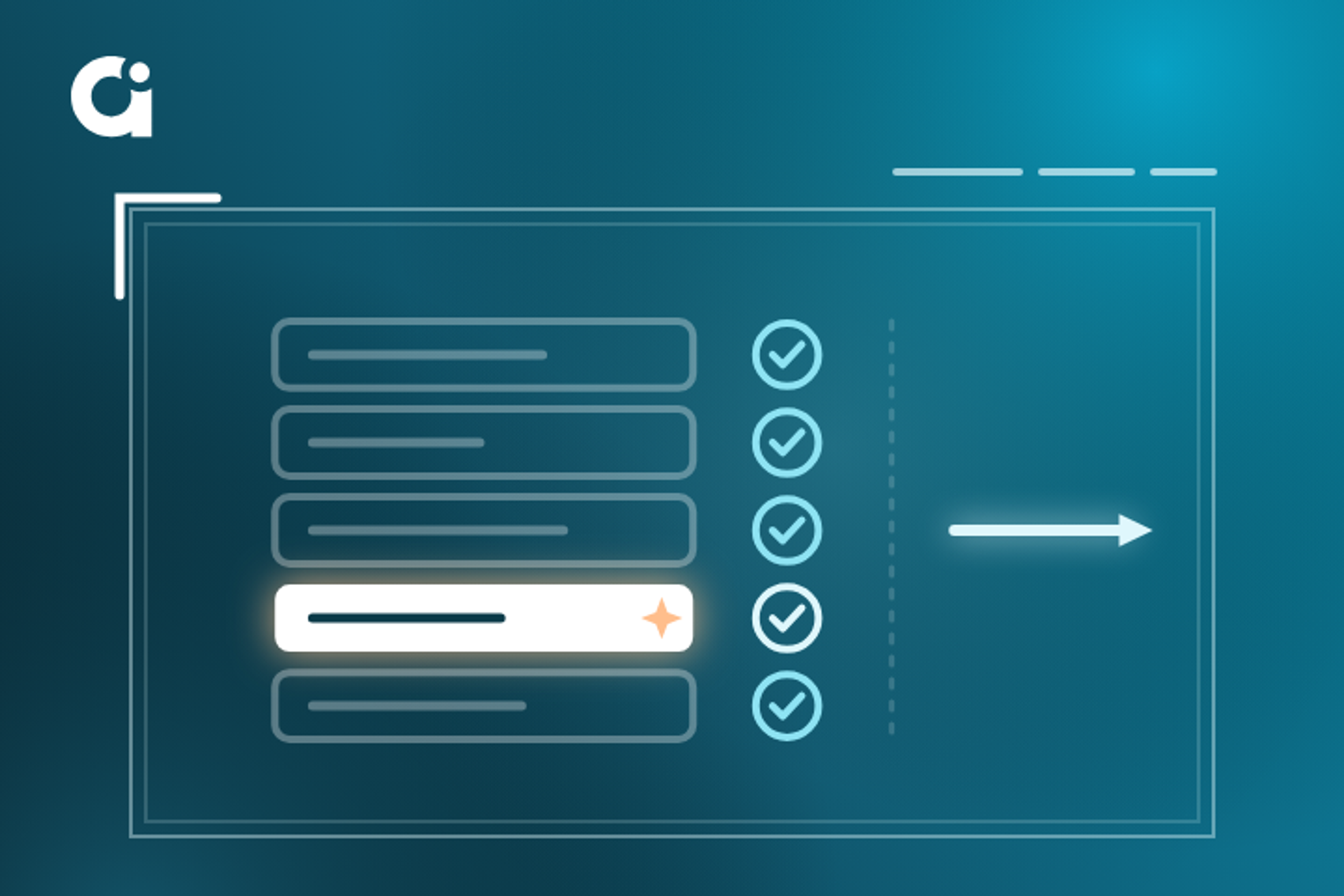
- Can you list every action a specific agent took in the last 30 days, in order, without asking an engineer to read application logs first
- For any single action, can you show the exact input or prompt that triggered it
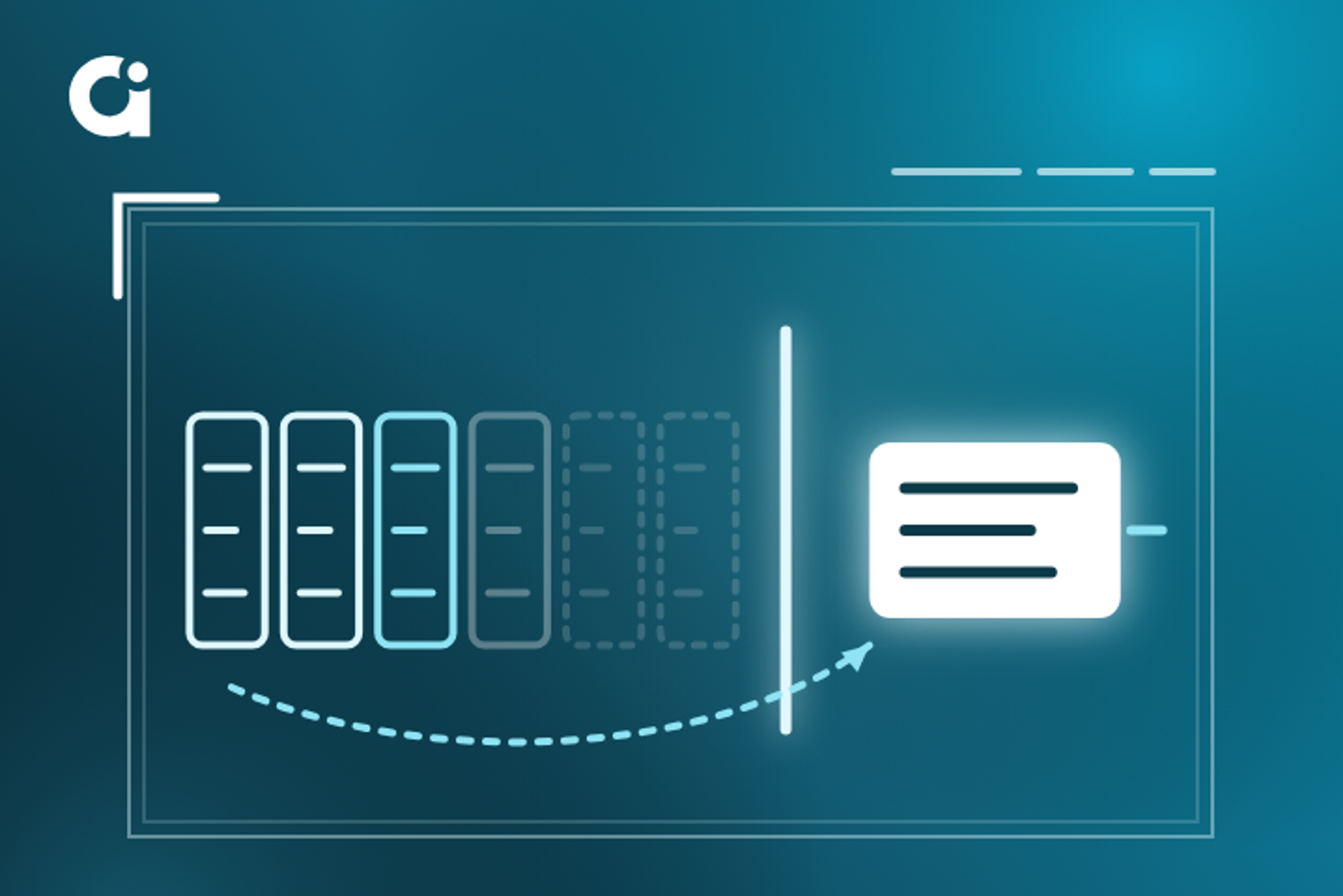
- Can you tell which version of the agent's instructions, model or policy was active at that moment
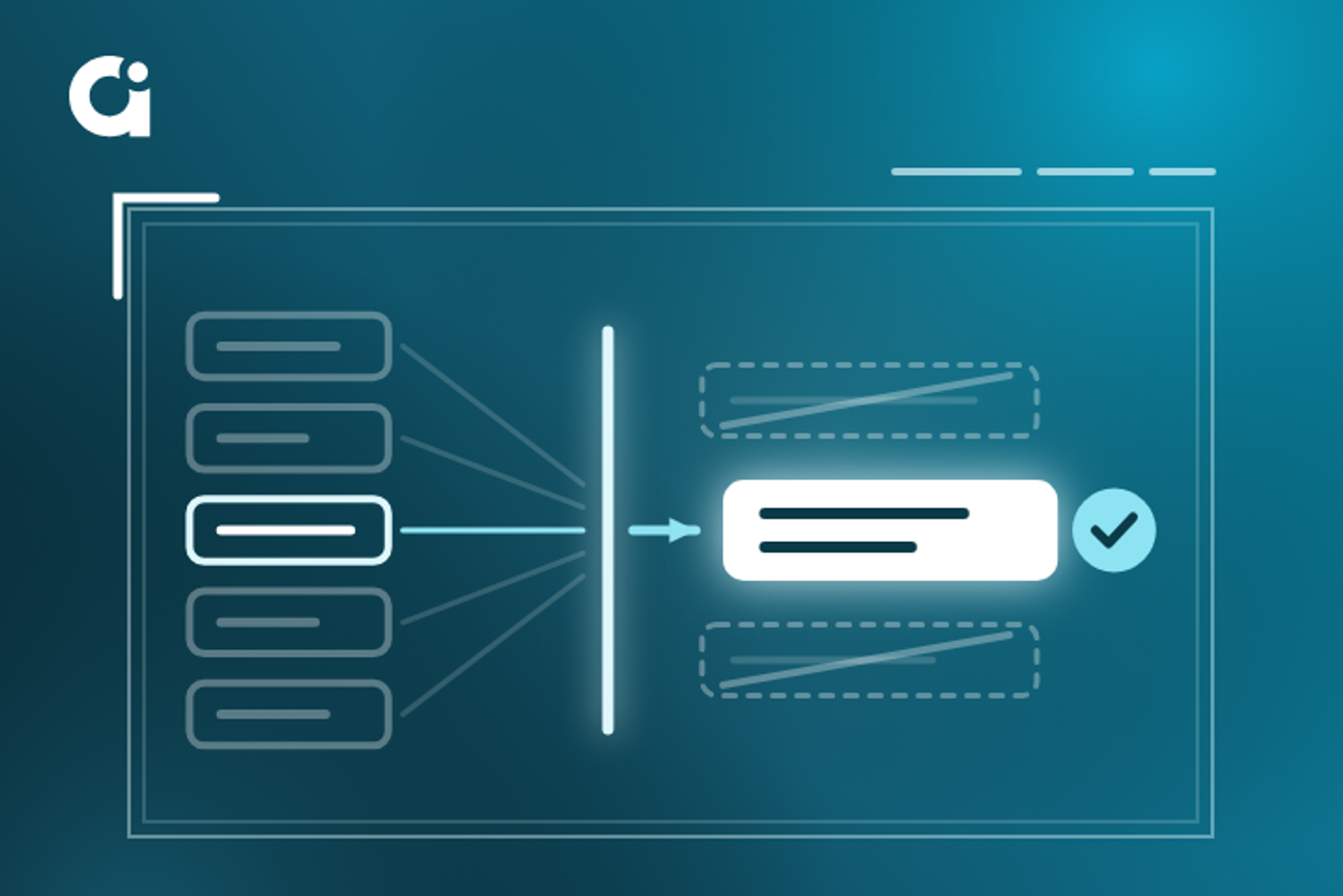
- If two agents acted on the same record, can you tell which one went first
A "no" to any of these is not a reason to stop using agents. It is a reason to hold the current scope steady until logging catches up. Expand autonomy only after the answer to all four is yes, not before. Treat the checklist as a gate on the next permission grant, not a one time audit.
Most organizations still keep a human in the loop
A separate survey of 919 senior leaders at enterprises with at least 100 million dollars in annual revenue, fielded by Y2 Analytics for Dynatrace in November and December 2025, found that 69 percent of agentic AI-powered decisions were still verified by a human. It also found that 87 percent of organizations were actively building or deploying agents that require human supervision. Only 13 percent of organizations surveyed used fully autonomous agents. That was measured at the end of 2025, before this piece was written. Treat it as where the field stood then, not where it stands today.
The same survey found that 69 percent of organizations already use some form of observability during agentic AI implementation, compared with 54 percent during development. Reconstruction after an incident depends on exactly that kind of tooling existing before the incident, not added afterward.
Where this fits
Aero treats this as part of agent readiness. A product is not ready for more autonomy because it performs well in a demo. It is ready when the team can explain, after the fact, everything it already does. The other half of this problem, what happens when a human has to approve the agent's next move, is covered in an earlier piece on where agentic products live or die.
If your team is weighing how much autonomy to hand an agent, get in touch and we will help you build that self-assessment before the next incident forces the question.
FAQ
Is an AI agent audit trail the same as monitoring
No. Monitoring tells you an agent is active right now. An audit trail lets you reconstruct one past action, the input that triggered it, and the policy version behind it, which is what an incident review or a client actually needs.
Does this only matter for large multi agent systems
No. A single week old automation making forty decisions a day creates the same reconstruction problem as a larger system. It just gets less attention until something goes wrong.
What is the first fix if the checklist answer is no
Start logging the exact input and the policy or prompt version behind every action the agent already takes, before adding any new permission. Every other part of the decision rule depends on that record existing.