Who it is for
Product and design leaders at B2B software companies putting AI agents into products their customers rely on, especially where a wrong action is costly: finance, health, media operations and internal tools.
What changes when people delegate instead of doing
For decades, software design asked one question: how do I help this person complete the task? Once an agent does the task, the question becomes: how does this person know it was done well, and how fast can they fix it when it was not? The person is still accountable for the outcome. The product has to make that outcome legible at a glance.
Teams that design for that shift ship agents people keep using. Teams that bolt an agent onto screens built for manual work get one of two outcomes: an agent that interrupts so often it gets rubber-stamped, or one that acts invisibly until the first expensive mistake. Our longer argument is in [Agentic products live or die at the approval step](/blog-posts/agentic-products-live-or-die-at-the-approval-step).
The four layers we design
Every agentic product we work on is designed across the same four layers. Each one maps to a failure we see in shipped products.
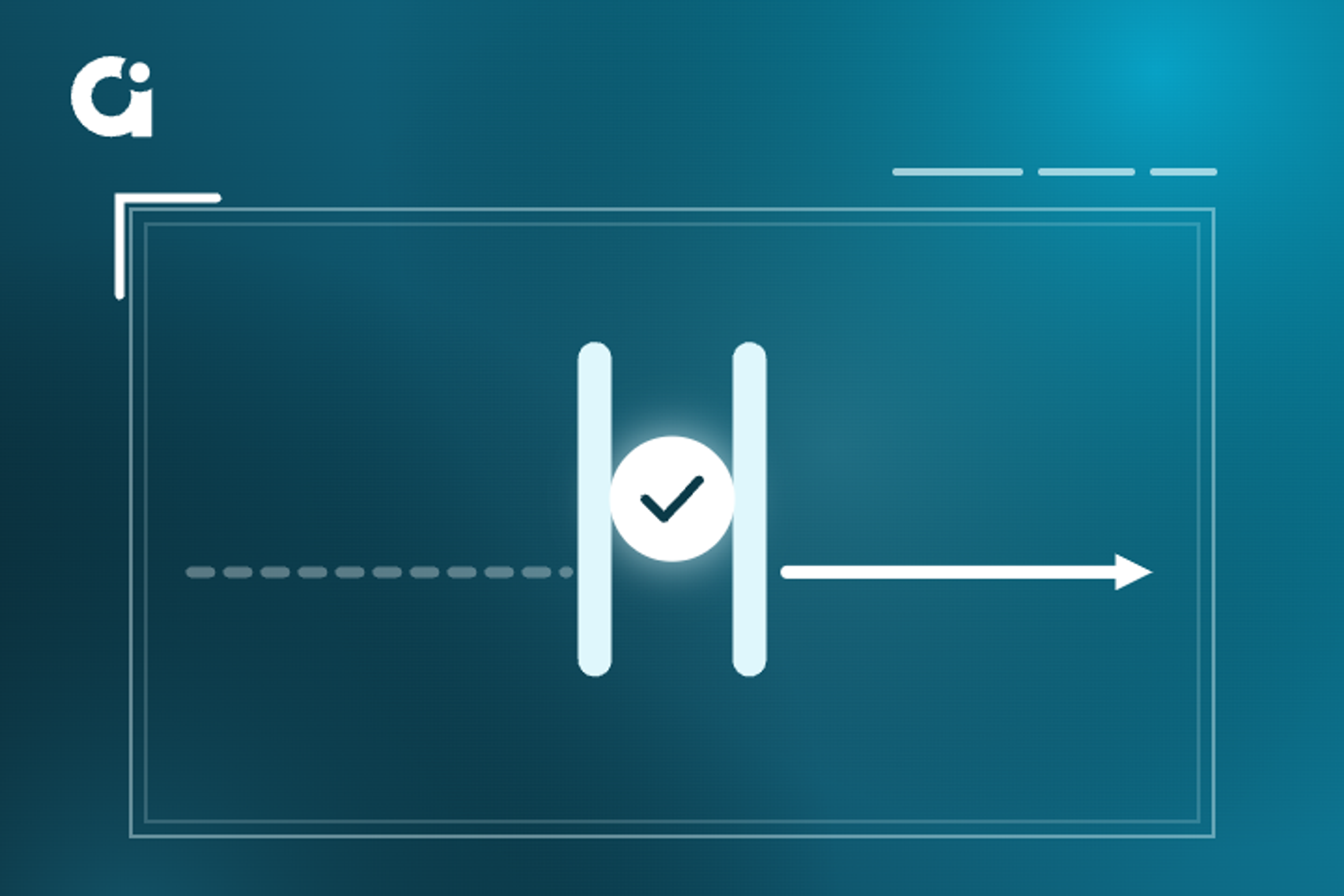
- Delegation: what the agent may do, scoped by action and by risk, and what it must hand back to a person
- Verification: review and approval ranked by consequence, with the agent's reasoning and the exact change shown before anything irreversible happens
- Recovery: uncertainty signals, failure states, undo and handoff, designed as first-class flows rather than error toasts
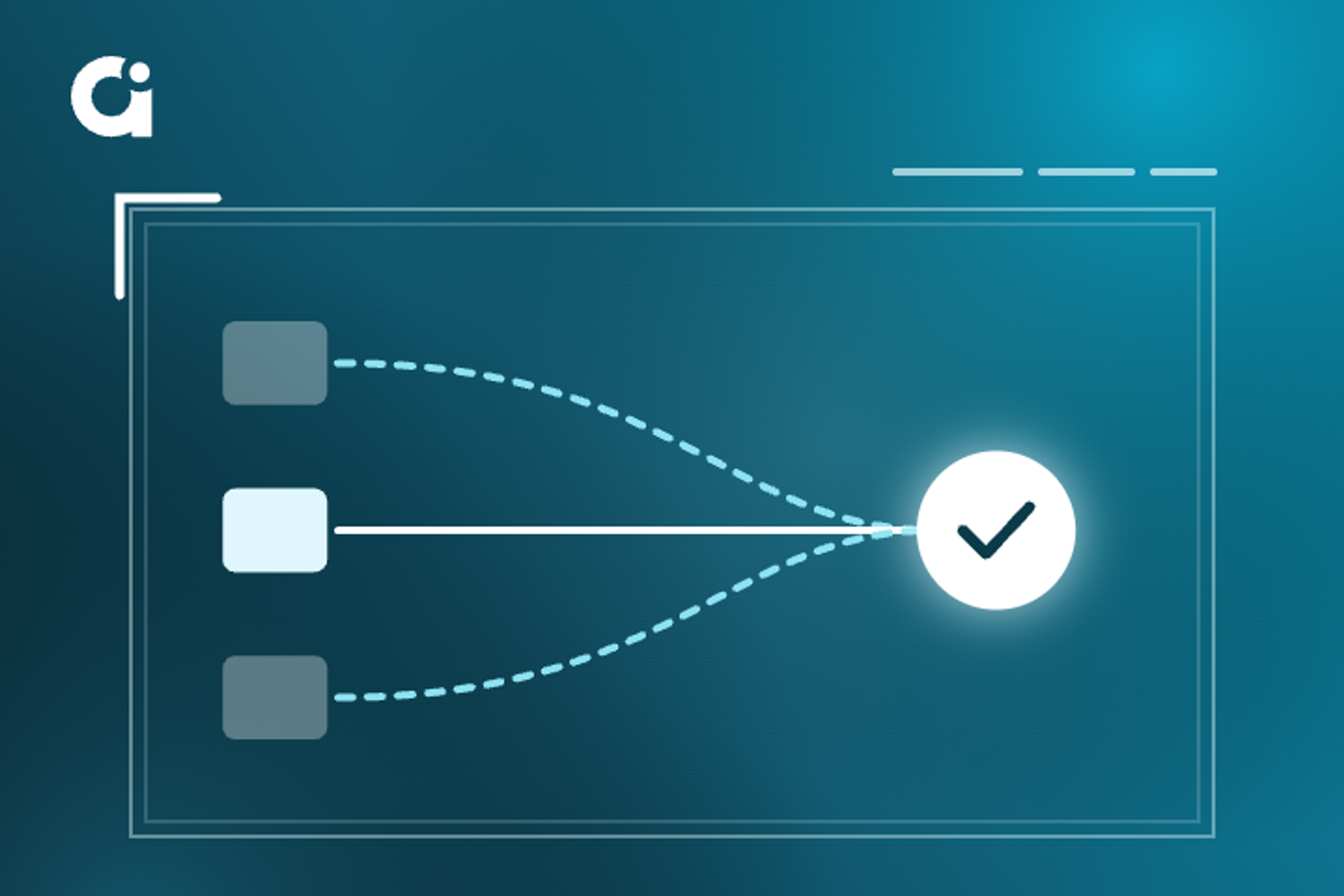
- Consistency: rules that keep agent-generated output on your design system, brand and tone, so the product still feels like one product
Where agentic products usually break
Four patterns account for most of the agentic features we are asked to rescue. Each has a design fix.
- Approval fatigue: every action asks for sign-off, so none of them get read. Fix: consequence-ranked gates. See [When users trust your AI too much](/blog-posts/ai-trust-calibration).
- Invisible action: the agent did something and nobody can tell what. Fix: an action history people can scan and reverse.
- Confident wrong answers: output looks equally certain whether it is right or not. Fix: calibrated confidence and a short path to correction. See [Your AI will be confidently wrong. Design for it.](/blog-posts/designing-for-ai-failure-states)
- Drift: each agent response invents a new layout or tone. Fix: an [agent-ready design system](/solutions/design-system-agent-readiness-audit) the agent builds from.
Agentic product design, AI UX and agent UX compared
These terms get used interchangeably. They describe different jobs.
**AI UX design** is designing an AI feature a person operates: a suggestion, a summary, a chat panel. **Agentic product design** is designing a product where the software acts, and the person supervises. **Agent UX**, sometimes called agent experience, is designing your product so that other companies' agents, such as a buyer's shopping assistant, can read and operate it. Aero works across all three, and most B2B products now need at least two. For the third, see [Agentic commerce is coming for your checkout flow](/blog-posts/designing-for-agentic-commerce).
How an engagement works
Work happens inside your product, your repository and your team's cadence, not in a separate design file that someone has to translate later.
- Map: every action the agent can take, its consequence if wrong, and the person accountable for it
- Design the gates: autonomy tiers, approval and review flows, reasoning display and recovery paths
- Prototype in your codebase against your design system, so what you test is what ships
- Instrument and hand over: adoption, verification time and override rate wired into your analytics, with the rules documented for your team
Proof and practice
Aero runs its own operations on an agentic system in daily production, with named human approval gates on anything that ships, so the patterns on this page are ones we live with, not ones we only recommend.
Lindsey, Aero's founder, leads every engagement and holds the design judgment at each gate.