Context is the new talent gap, but the skill is subtraction
By Lindsey J
The people who get the most out of AI over the next few years will not necessarily be the best prompters. They will be the ones with the best context.
Context is everything an agent knows before you ask it anything: what the business decided, why, for whom, and what was tried and dropped. Some of it is handed over. Most of it is not. It sits in the calls you were on, the threads you were copied into, and the decision someone explained once and never wrote down. Two people with the same model and the same prompt get different work, because one of them was in the room.
That part is real, and it is not fair. Access to context follows position and trust, and no tool changes who gets invited.
But the second half of the skill is the part people get wrong, and it is learnable.
Context engineering means deciding what to keep, not what to collect
The instinct, once you see that context matters, is to collect it. Every decision goes in a file. Every preference becomes a rule. The system gets heavier every week.
Anthropic's own engineering guidance treats context as a finite resource for an agent, not an unlimited one. Independent testing of 18 models by Chroma found output quality degrading as input grows, even on simple tasks, and worse when a distractor or irrelevant context sits beside the relevant material. A companion piece on this site covers the mechanics of that decline, and the budget that catches it before a user does.
Volume has a cost. But volume is not the worst problem.
Stale context is worse than missing context
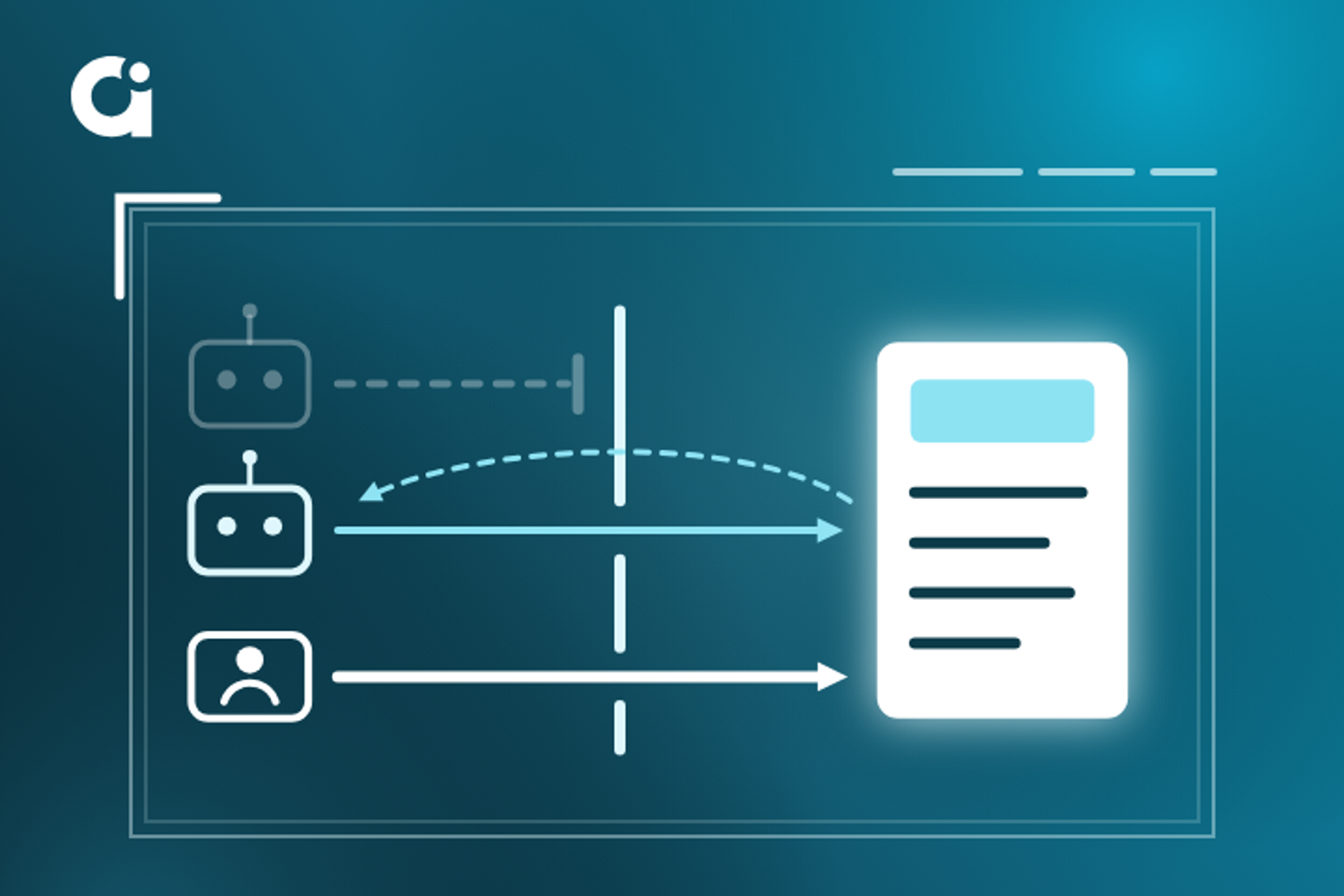
When an agent is missing a fact, it either asks or goes looking. When it holds a stale one, it does neither. It acts on last quarter's positioning with exactly the same confidence it would bring to this quarter's, and nothing in the output tells you which one it used.
Picture a team that rewrites its positioning in October. The new direction goes into a fresh, clearly marked file. The old positioning notes stay where they were, because nobody deleted them, and some of them are still half right. Now the agent holds both. Every draft is a coin flip on which one it leans on, and the reviewer has to catch it every time.
That is the expensive version: an agent that knows two things that disagree, with no rule for which one wins.
Context engineering is the skill of subtraction
Organizing context well comes down to three decisions most people never write down.
- What gets deleted. When something is superseded, it goes. Marking it "partly out of date" keeps the whole thing loaded and leaves the agent to guess which half is dead.
- What is authoritative. Every fact has one home. Copies drift, and the stale copy is the one that gets read.
- What overrides what. When two sources disagree, there is a written order. The person in the conversation wins first, then a dated decision for its own scope, then the narrower file over the broader one, then the newer decision over the older, then the system of record over any note about it.
One habit makes those stick. When a new decision lands, it cleans up after itself. The change that adds the new direction deletes or rewrites what it replaces, in the same sitting. If the override only lives at the winner, the loser is still sitting there for the next reader to find.
The payoff lands in the same place most teams already measure agent output: rework. A team redoing a third of its agent-drafted work is usually missing a cleanup habit. Fixing that habit shows up first in time to a usable first draft, before it shows up anywhere else.
Self-assessment: what is your agent still acting on
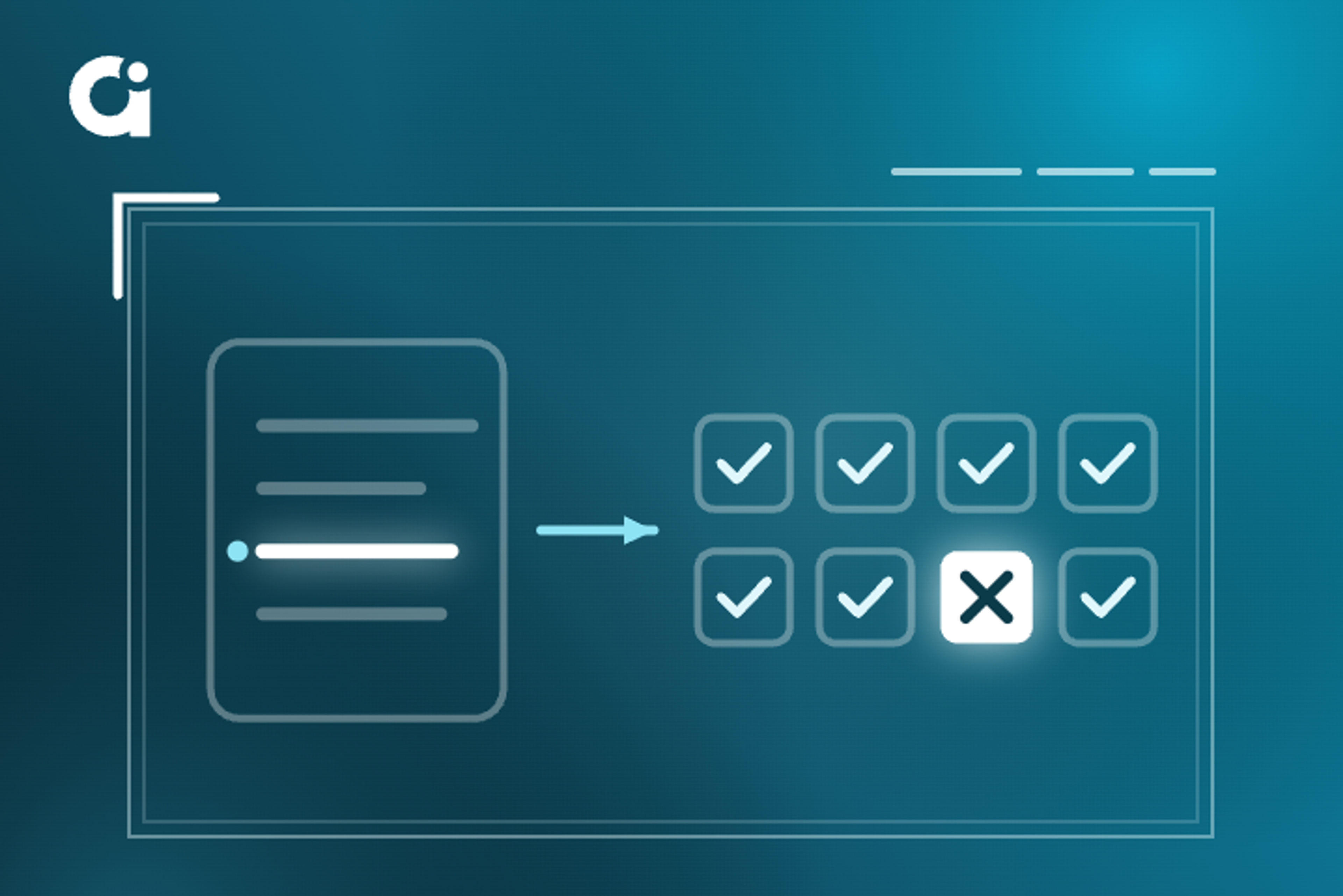
- Is it still true, and does it say when it became true?
- Does this same fact live anywhere else your agent can read?
- Would the agent act differently on most tasks if this one line were gone?
Delete what fails. A pass that deletes nothing usually means nobody looked.
The measure is the one you already have. Count how many agent drafts needed correcting for something the business had already decided differently. That is your stale-context rate, and it should fall as the list gets shorter.
FAQ
What is context engineering
Context engineering is deciding what an AI agent should know before it acts: which facts are current, which source is authoritative when two disagree, and what gets deleted once it is superseded. It is a discipline of subtraction as much as collection.
How is context engineering different from prompt engineering
Prompt engineering shapes a single request. Context engineering shapes everything the agent already believes before that request ever arrives, across every session it runs. A well-written prompt cannot fix a fact the agent is still holding that the business reversed months ago.
What is a stale-context rate, and how do I measure it
It is the share of agent drafts that needed correcting because the agent used information the business had already superseded. Track it inside the review cycle you already run. When a reviewer corrects a draft, note whether the cause was a missing fact or an outdated one still loaded. A falling stale-context rate is the signal that cleanup, not more collection, is working.
If your team is further along on collecting context than on deciding what to delete, that is worth a conversation. Contact Aero to talk through where your agent's rework is actually coming from.